Nearby Community
Garage Door Service for Castle Pines Homes
Castle Pines homes mostly went up around 2003, later than much of the wider service area, which means different openers, different springs, and different failure points. We work on all of it.
- Licensed & Insured
- Same-Area Service Calls
- Upfront Pricing
This Area's Housing
Castle Pines sits about 5 miles from our shop in Lone Tree, and the housing stock here skews newer than a lot of what we cover. The median build year in this area is 2003, which puts most of the neighborhood a decade or more past the older mix you'll find across the wider service territory, where homes range from 1938 up to 2005 with a median around 1992. There are roughly 4,523 households in Castle Pines, and household income here runs high, with a median around $189,918 - well above the broader service-area median of $157,171.
That matters for garage doors because it usually means insulated doors, heavier openers, and builder-grade hardware installed to a higher spec than what you'd find in an older tract home. It also means fewer of the original 1970s and 80s doors we still run into elsewhere - most of what's on the street in Castle Pines was hung within the last twenty-some years, not forty or fifty.
What the Housing Means for Your Door
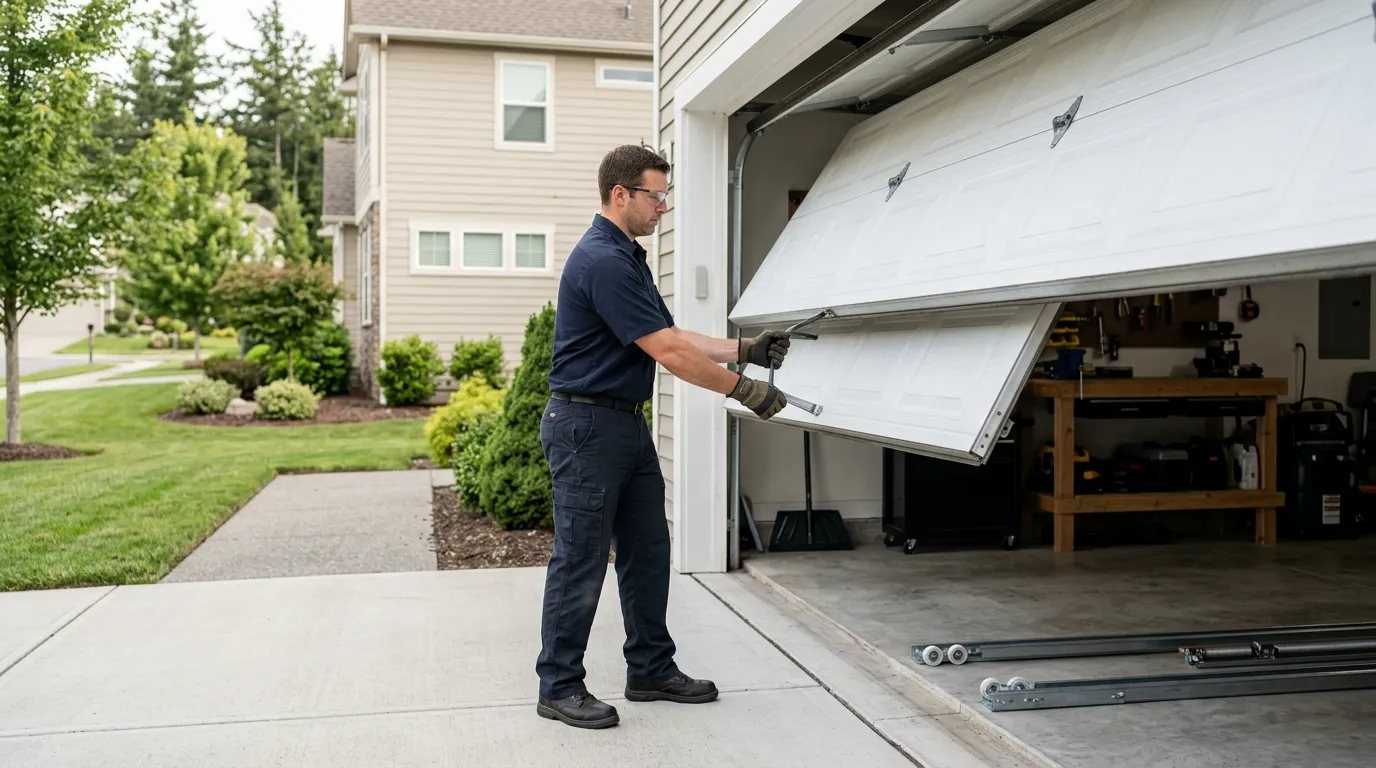
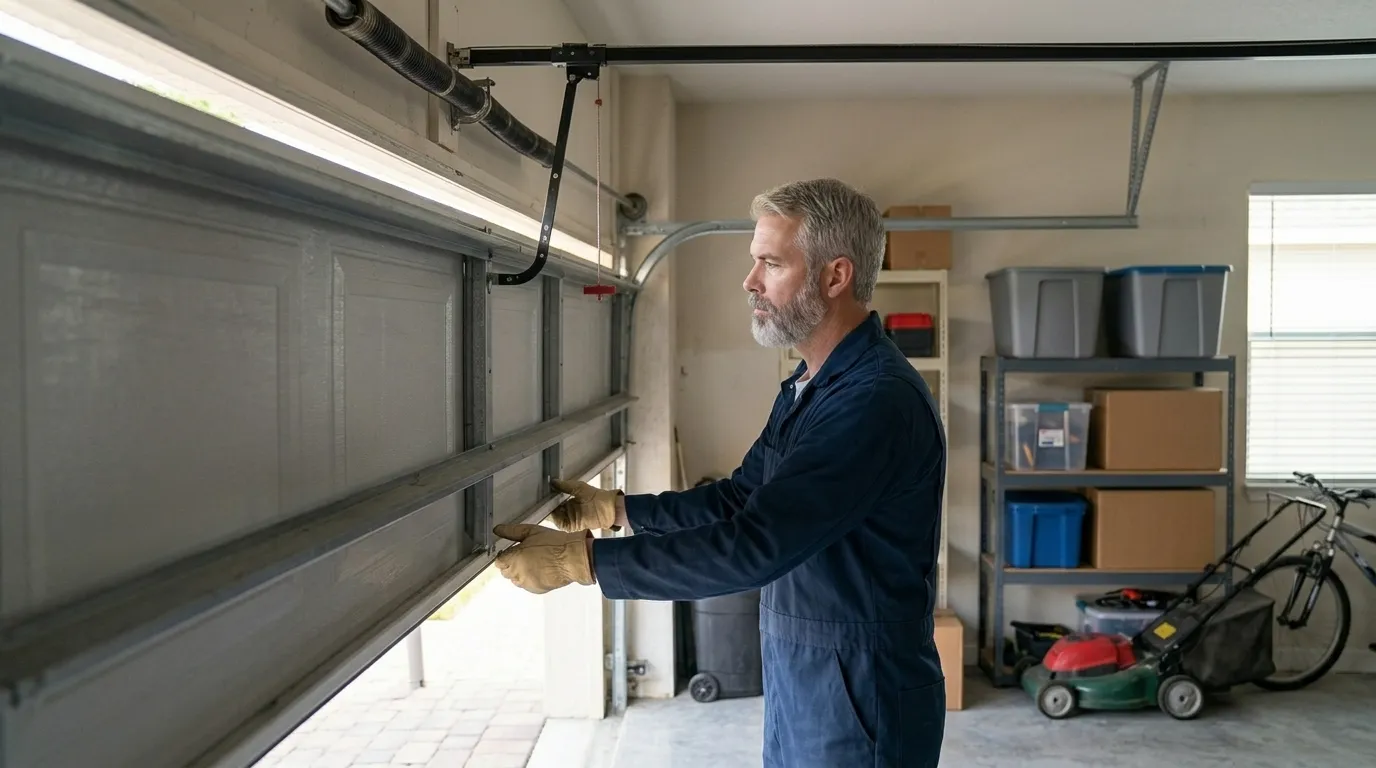
A door installed around 2003 is old enough to need real service but young enough that it's usually not a total teardown. By this point in a door's life, the torsion spring is a common failure - springs are rated for a number of cycles, not years, and a heavily used door from that era is right in the window where the original spring gives out. Openers from that build window are often chain or screw drive units nearing the end of their motor life, and circuit boards from that generation can fail outright rather than just get noisy.
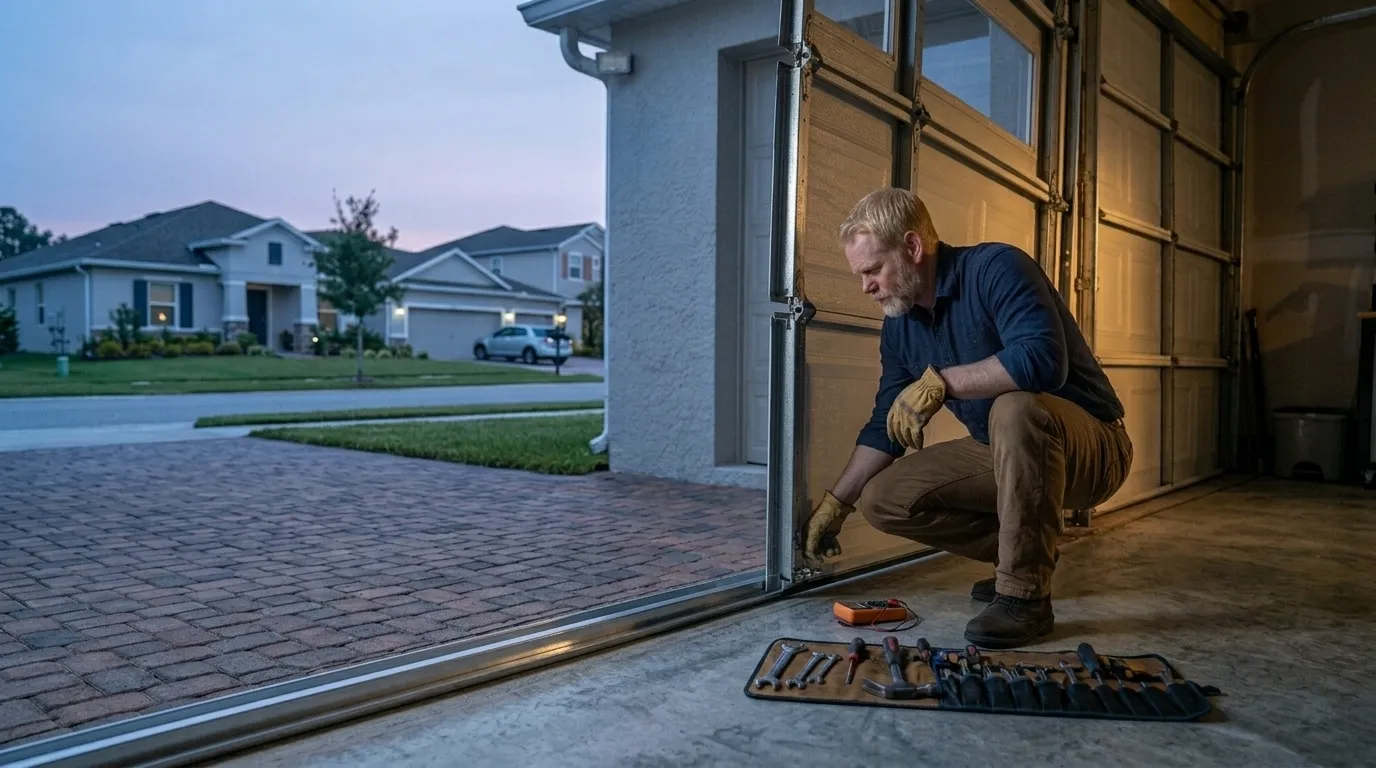
Because this area's climate band runs cold and severe, lubricant left over from the original install has usually thickened or dried out by now, which shows up as a door that struggles on cold mornings before it fails completely. We also see steel tracks that have gone slightly out of alignment over two decades of thermal cycling - not enough to notice day to day, but enough to wear a roller faster than it should. None of this is emergency-grade damage.
It's normal wear catching up to houses that are old enough to need it and new enough that the fix is usually a repair, not a replacement.
What People Here Ring About
The calls we get from Castle Pines cluster around a handful of issues tied to that early-2000s build era. Broken torsion springs top the list - the springs original to these doors are past their rated cycle count on the doors used daily. Opener failures come in close behind: circuit boards and drive gears from that generation wear out, and homeowners notice it as a door that responds to the remote but won't move, or moves partway and reverses.
We also hear about noisy operation - a grinding or squealing that traces back to dried lubricant and rollers that have logged two decades of use in a cold-climate winter cycle. Less common but real: sensor misalignment on doors where the opener has been swapped once already but the safety sensors weren't reset properly. None of these are unusual for a house this age, and none of them typically require pulling the whole door - the springs, opener internals, and rollers are the parts doing the most work and the parts most likely to be asking for attention first.
What We Do Most in This Area
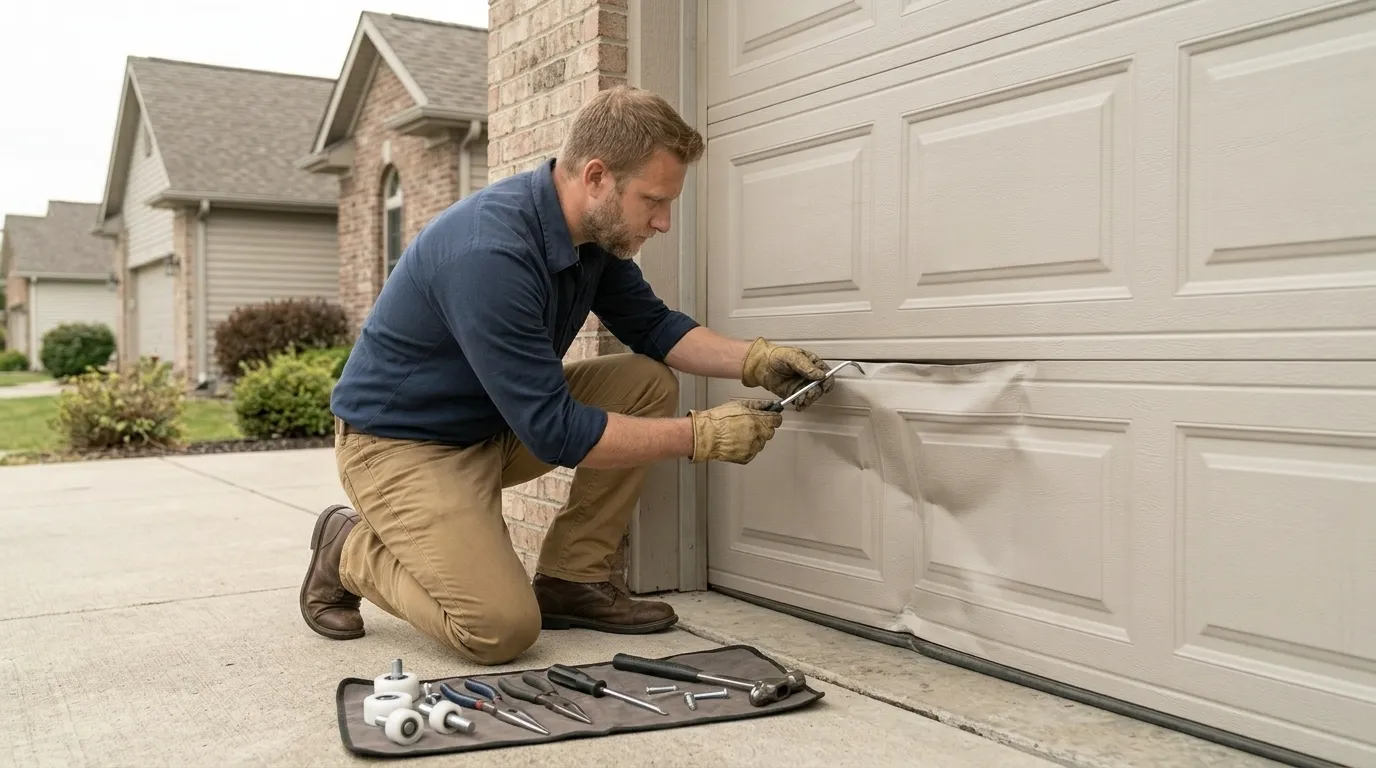
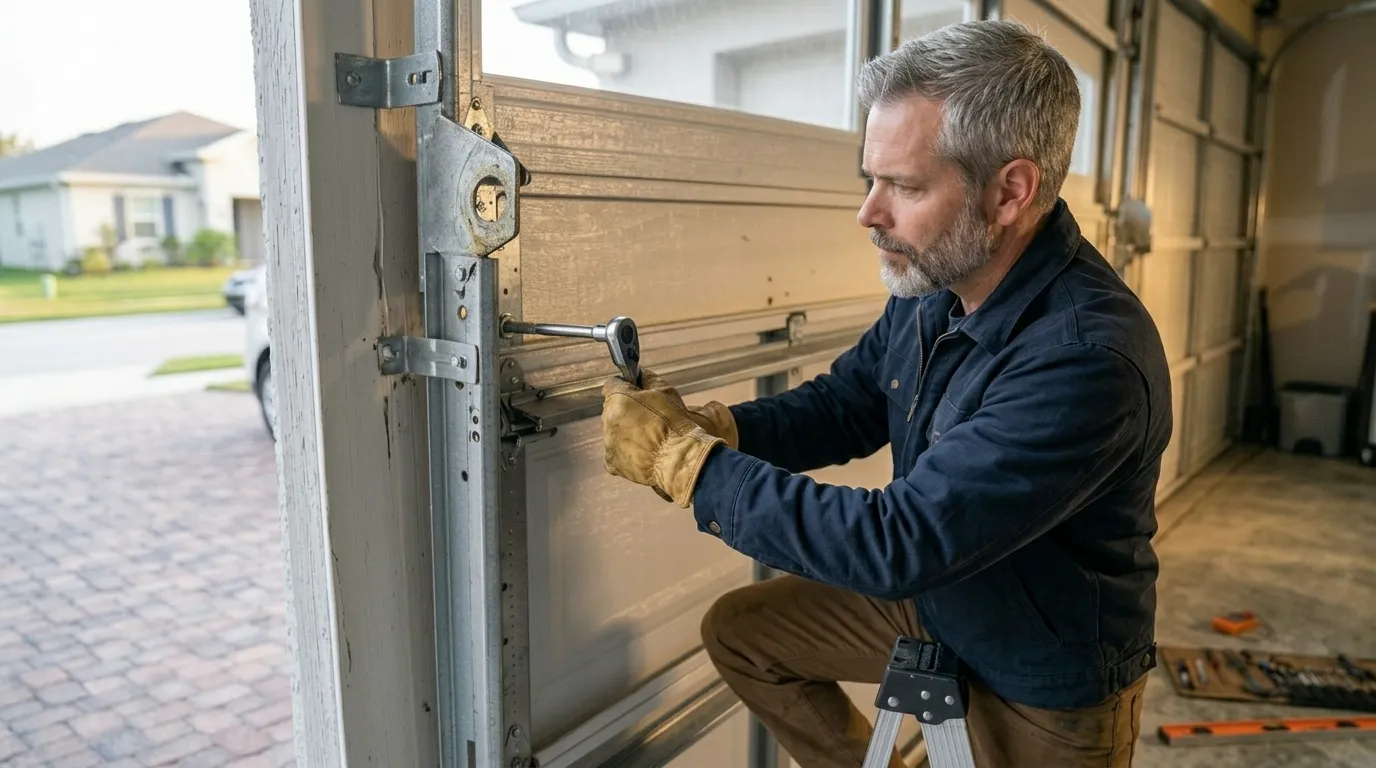
In Castle Pines, the most common job on our truck is spring replacement, followed by opener repair or replacement on units original to the house. We also do a fair amount of roller and track service - relubing and adjusting rather than tearing out track that's still structurally fine. What we don't do is replace a door outright just because it's old; if the panels are sound and the spring or opener is the actual problem, we say so and fix that instead.
One honest limit: if a specific opener model is discontinued and a matching part isn't available, we'll tell you that up front rather than stall you with a part order that may not come through. For most Castle Pines calls, though, the fix is a spring, a sensor, or an opener board - not a full replacement.
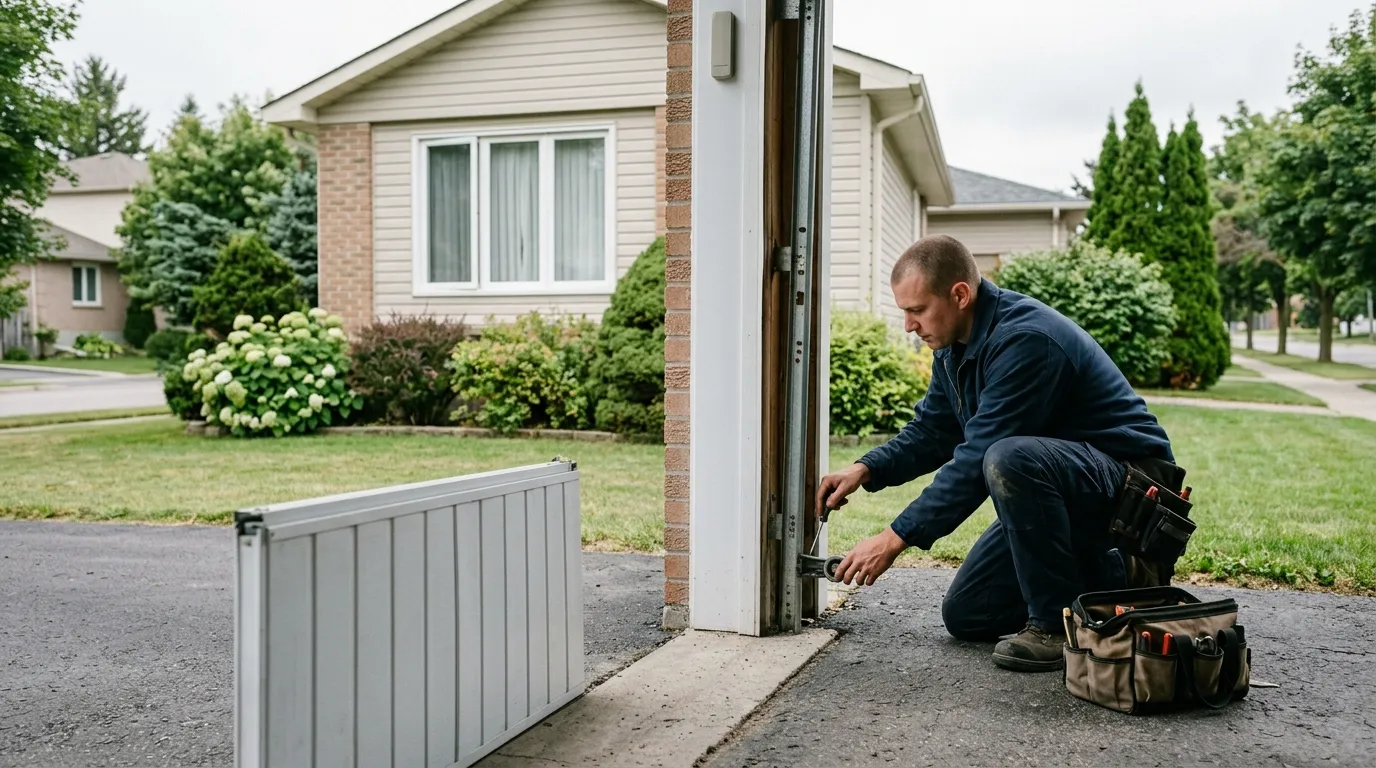
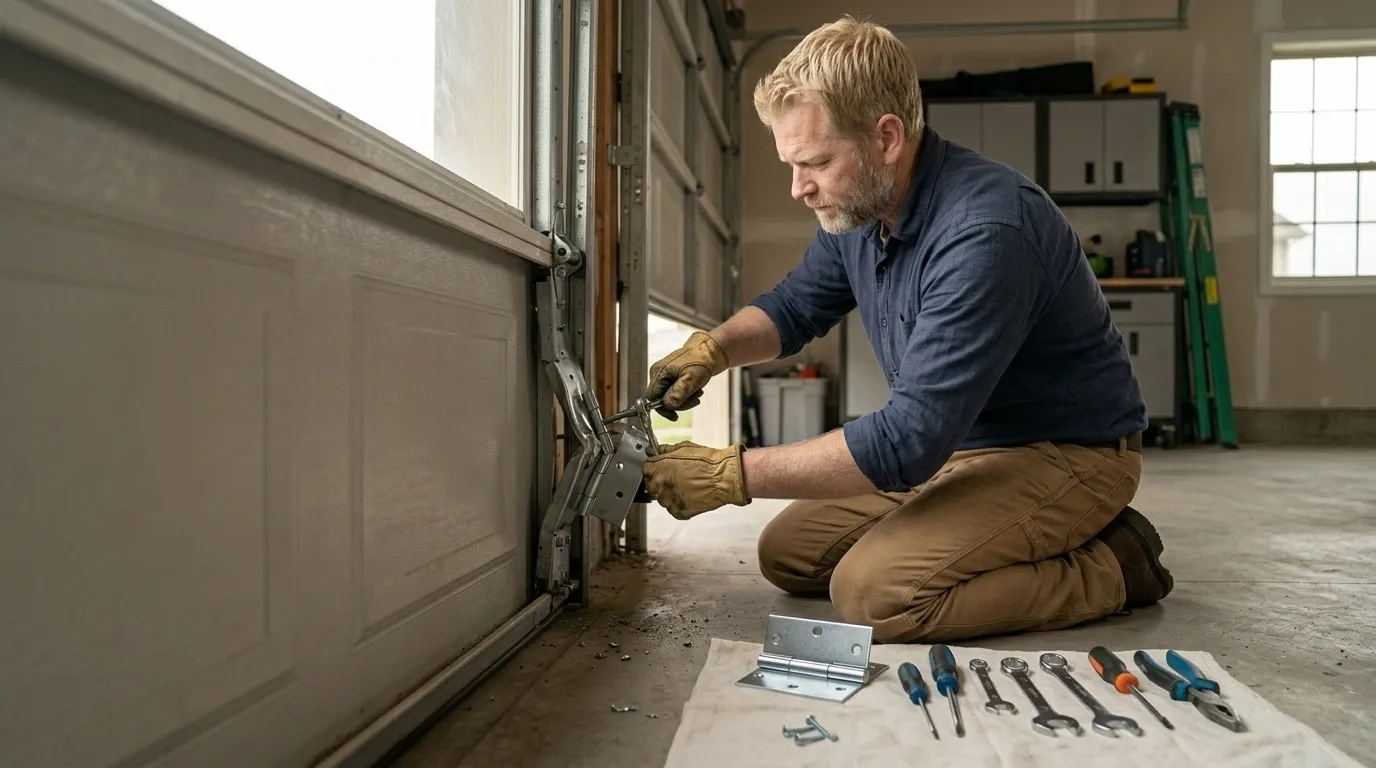
Recent Work Near Castle Pines
How We Can Help
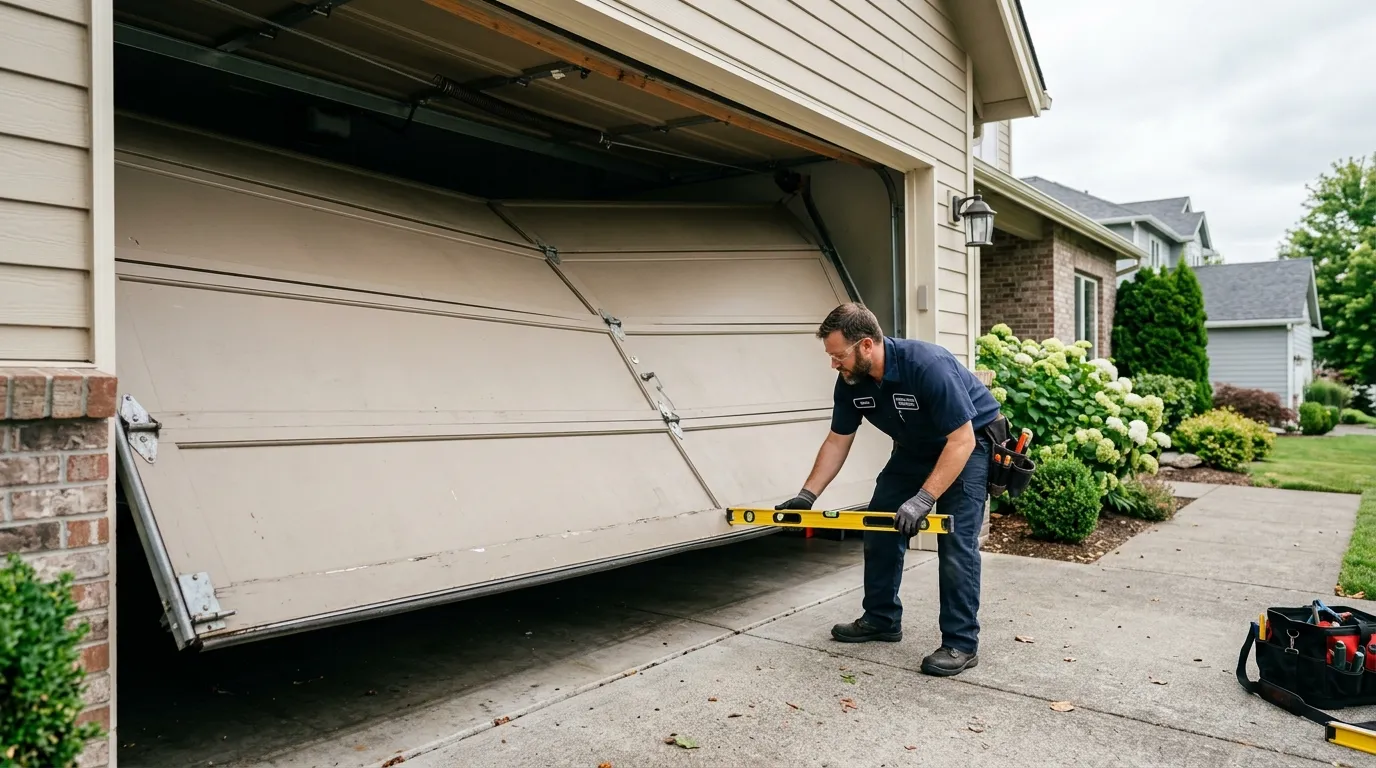
Garage Door Repair
Springs, cables, tracks, rollers, and openers fixed by a tech who explains the problem before touching anything.
Learn more →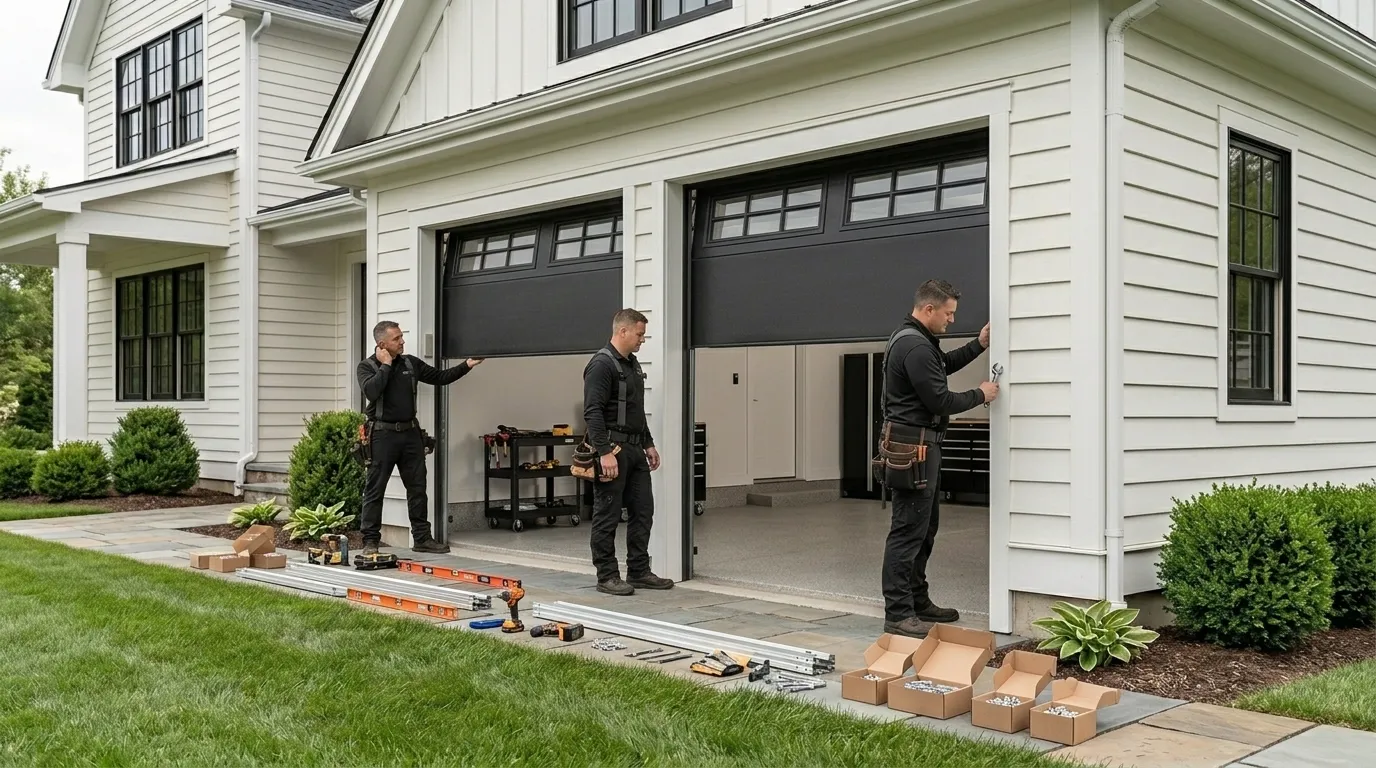
Garage Door Installation
New sectional doors sized and installed for the housing stock actually built in this area.
Learn more →
Garage Door Service
Tune-ups, lubrication, and safety checks that catch a small problem before it becomes a service call.
Learn more →What Happens When You Call
Call or Request a Quote
Tell us what the door is doing and roughly how old the house is - that alone points us toward the likely part before a truck leaves.
On-Site Diagnosis
A tech checks the spring, cables, tracks, and opener in person and tells you plainly what is actually wrong.
Straight Price, No Surprises
You get a number before any work starts. It covers parts and labor, nothing added after the fact.
Fixed the Same Visit
Most repairs are done in one trip. If a part needs sourcing, we tell you that upfront instead of guessing.
Frequently Asked Questions
Why does my opener from around 2003 keep failing even though the door looks fine?
The door panels often outlast the opener. Circuit boards and drive components from that era are reaching the end of their service life, and a board failure can look like a dead door even when the springs, track, and panels are in good shape. It's usually a repair or opener swap, not a door replacement.
Is my torsion spring actually original to the house?
On a lot of Castle Pines homes built around 2003, yes - it's common for the original spring to still be in place if the door hasn't had major work. Springs wear by cycle count, not age, so a door used daily for twenty years is well past where most springs are rated to fail.
Do I need a new door or just a repair?
For a house this age, it's almost always a repair - a spring, opener, or roller issue rather than a failed panel. We'll tell you plainly if replacement makes more sense, but that's not the typical call in this area.
Does the cold affect my garage door in winter?
Yes. The area sits in a cold, severe climate band, and old lubricant thickens in low temperatures, which makes a door strain or stick on cold mornings before something actually breaks. Fresh lubrication and a spring check before winter can catch that early.
Get Your Door Fixed in Castle Pines
Call now for same-area service.