
Lone Tree Garage Door Guide
What Actually Happens During a Service Call
A Lone Tree service call checks springs, opener, track, and hardware against 1980s-90s builds and severe cold winters - here's what's actually inspected.
- Licensed & Insured
- Same-Area Service Calls
- Upfront Pricing
How Local Conditions Play In
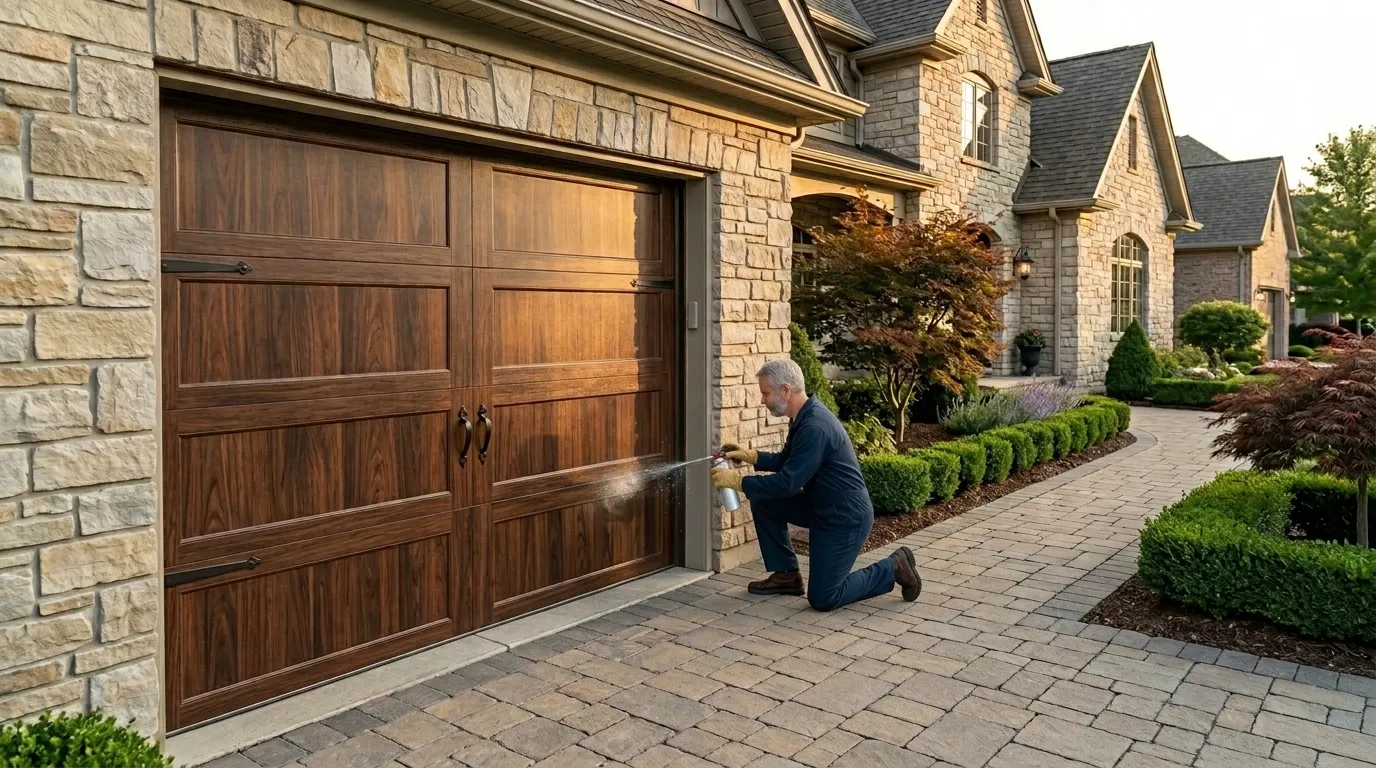
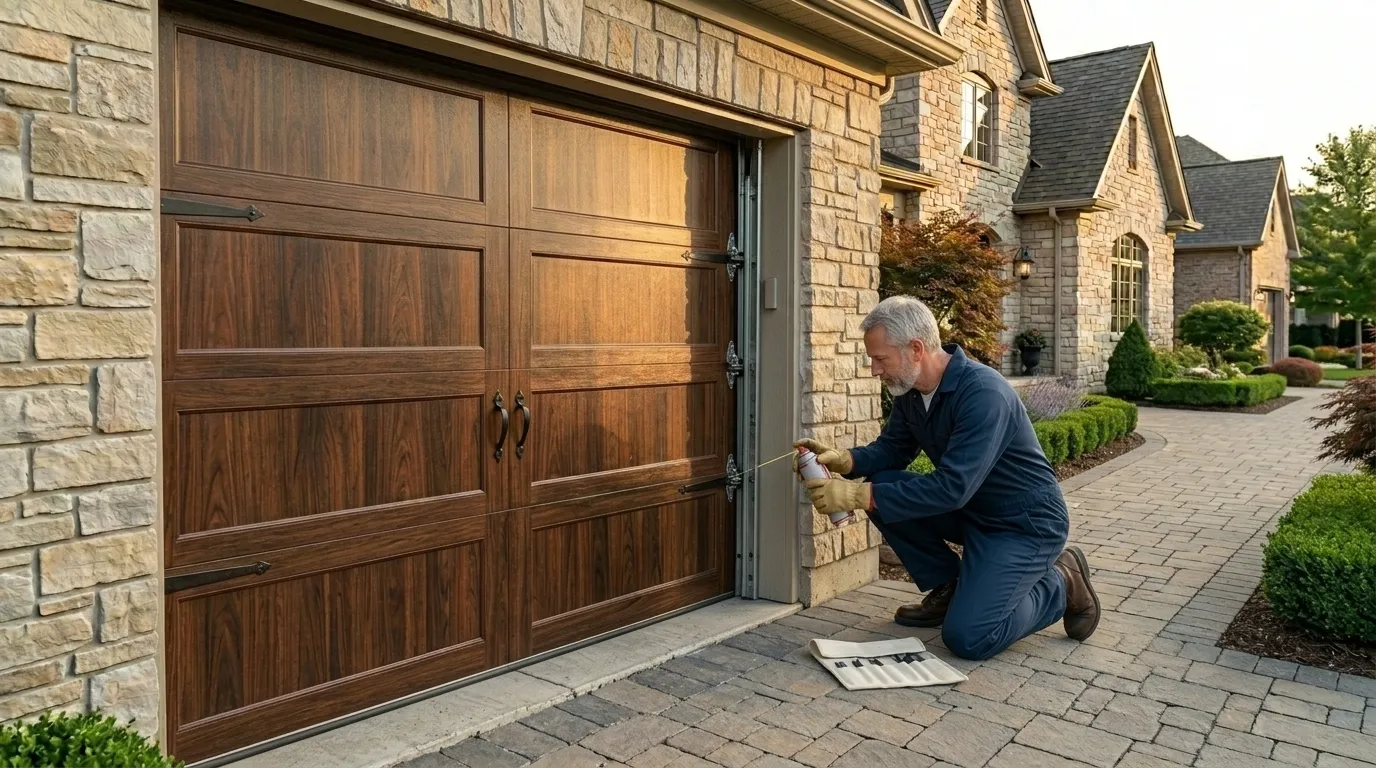
Lone Tree sits in a cold-climate band with severe winters, and that shapes what actually breaks on a service call. Steel tracks contract in deep cold, throwing rollers out of alignment. Torsion springs coated in old grease stiffen up when temperatures drop, which means a door that opened fine in October can start binding by January.
Most houses here went up between 1938 and 2005, with the median build year landing in 1992, so torsion hardware from that era is what we're usually working on - galvanized springs, steel tracks, and openers that are two or three chain-drive generations behind what's sold today. Across the 21 named areas that make up this stock, most homes were built in the 1980s and 90s, which means the same steel rollers and single-torsion-spring setups show up job after job. A mile away in Meridian, and three miles out in Grand View Estates, the same era of construction means the same wear patterns on tracks and springs.
That consistency is actually useful - it means we know what to check before we open the panel.
Checking It Yourself
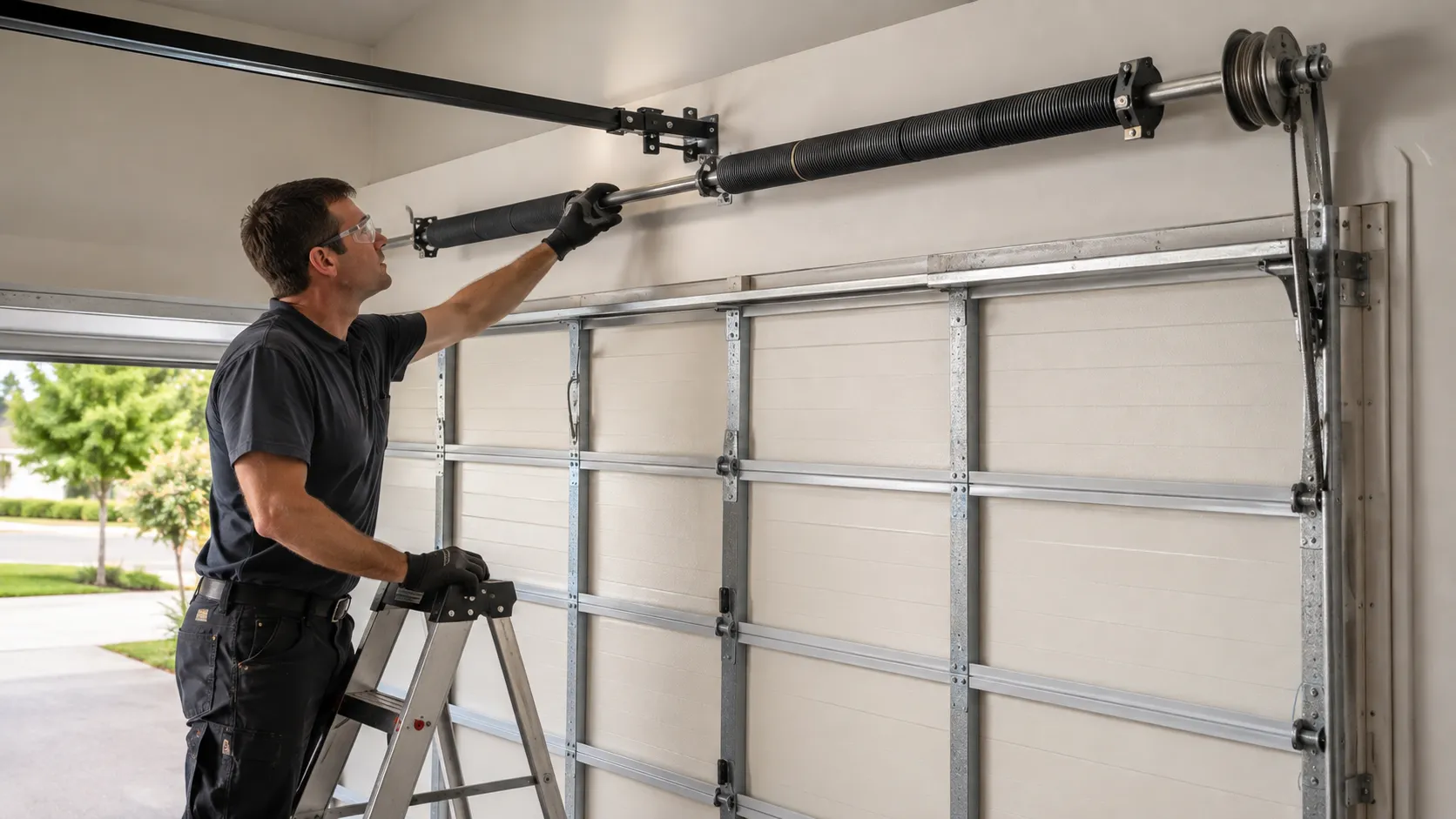
Before you call anyone, look at three things. First, the springs above the door - on a 1980s or 90s build you're almost always looking at a single torsion spring on a center shaft, not the extension springs some later remodels swapped in. Rust streaks or a visible gap in the coil means it's near the end.
Second, the track - run a hand along it (door closed, opener unplugged) and feel for a kink or a spot where it's pulled away from the wall bracket; cold-weather contraction loosens lag screws over the years. Third, the opener's travel - if the door reverses before it touches the floor, the down-limit is off, which is common on units that have sat through a decade of Lone Tree winters without adjustment. What you shouldn't do: touch the torsion spring itself.
It's under enough tension to break a bone. If you see rust on the spring coil or hear a bang followed by the door refusing to move, that's a broken spring, not a jammed track, and it needs a call, not a wrench.
Season by Season
Cold hits garage doors here in stages, not all at once. Early winter is when stiff, old lubricant starts making openers strain - you'll hear it before you see a failure. Deep cold, the kind that settles in through January, is when steel contracts enough to pull rollers out of true track alignment; that's the stretch when service calls for off-track doors spike.
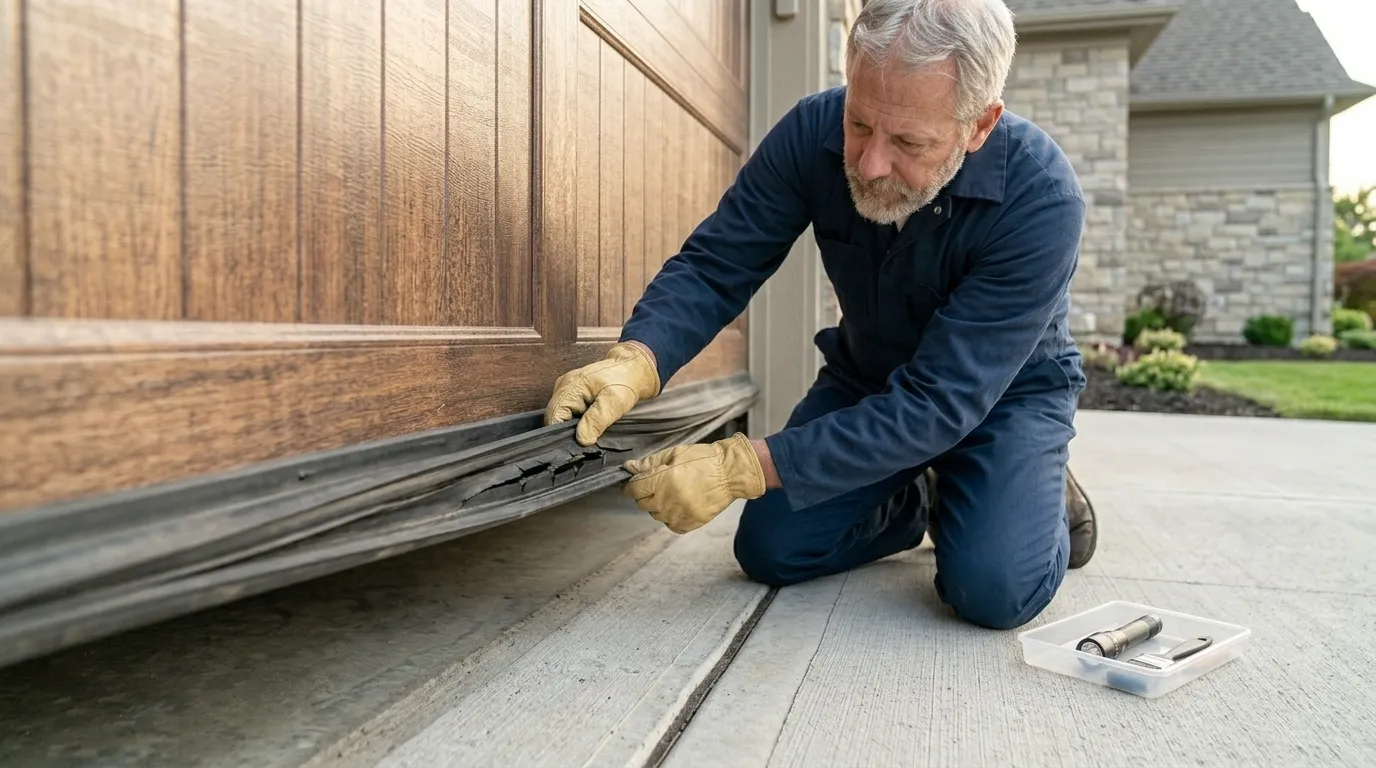
Late winter, as the ground freezes and thaws, is when concrete slabs shift slightly and door bottoms stop sealing evenly, letting cold air into the garage. Come spring, the opposite problem shows up: hardware that seized up over winter gets exercised again for the first time in months, and that's when a spring that was already failing finally lets go. None of this is dramatic weather - it's the ordinary severe-cold pattern this area sits in, working on hardware that, across most of the housing stock, is already twenty to forty years old.
A service call in March looks different from one in July for exactly that reason.
What Is Going On
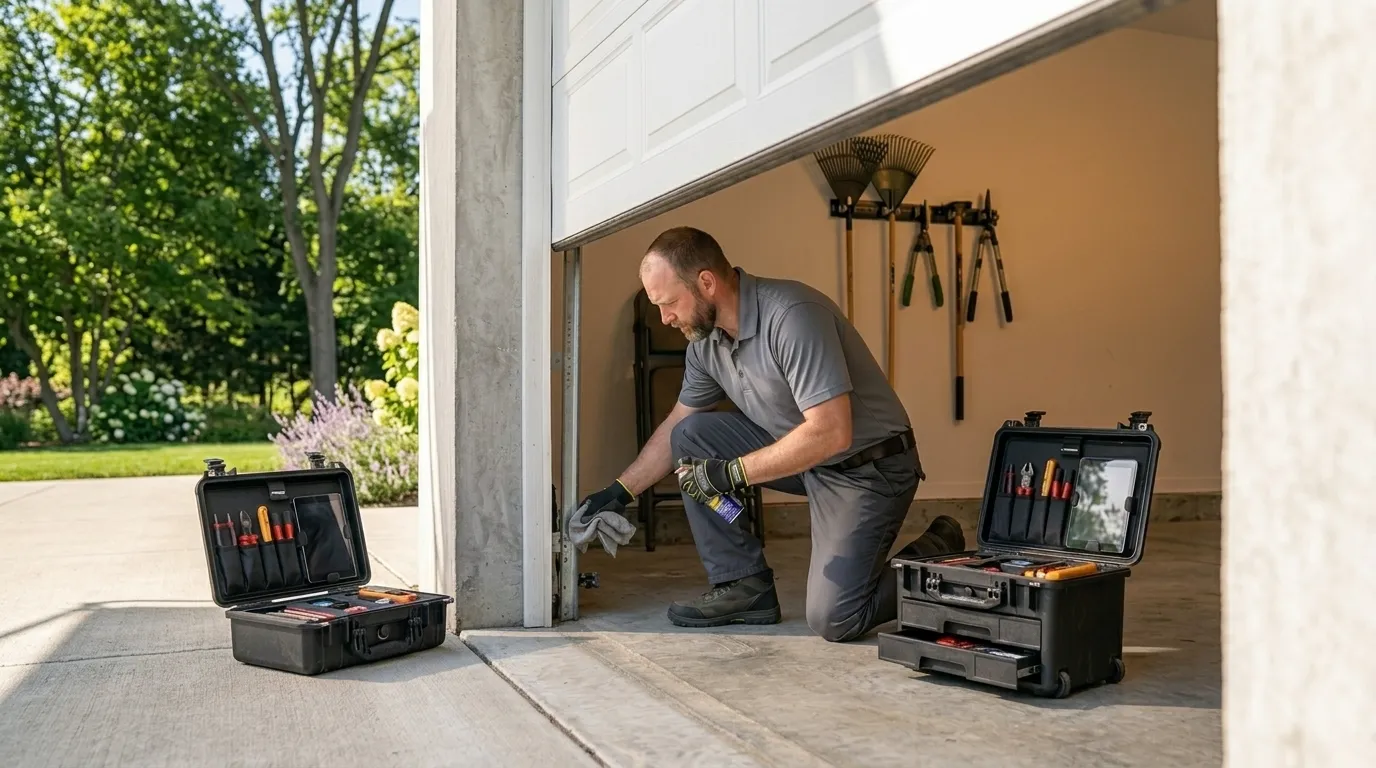
When we get called out, we're not troubleshooting a mystery - we're checking a short list against a known pattern. With 23,386 owner-occupied houses across the service area, most of them dating to the same 1980s-90s build wave, opener boards from that period are starting to fail at the same time, and springs rated for a specific door weight are past the cycle count they were built for. A service call covers: spring tension and coil condition, cable fraying at the drum, track alignment and lag-bolt tightness, opener limit and force settings, and the condition of rollers and hinges.
We test the auto-reverse safety function every time, regardless of what brought us out, because it's the one thing that actually matters if it fails. With area median household income at $157,171, a fair number of owners here choose full replacement over patching a 30-year-old opener once the board goes - that's a homeowner's call, not something we push. What we won't do is quote a repair on a spring we haven't put a hand on.
Torsion spring wear doesn't show up reliably over the phone, and guessing at it wrong means a second trip.
How We Can Help
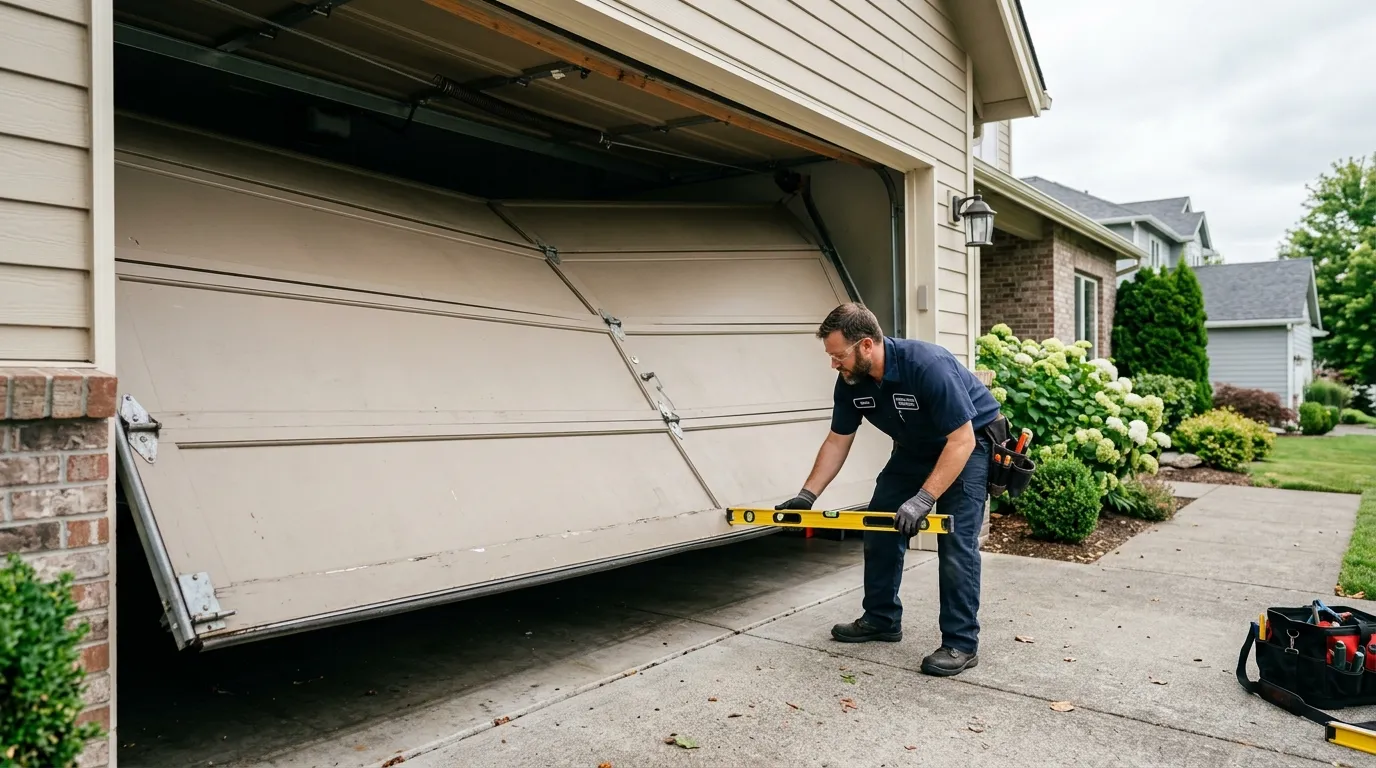
Garage Door Repair
Springs, cables, tracks, rollers, and openers fixed by a tech who explains the problem before touching anything.
Learn more →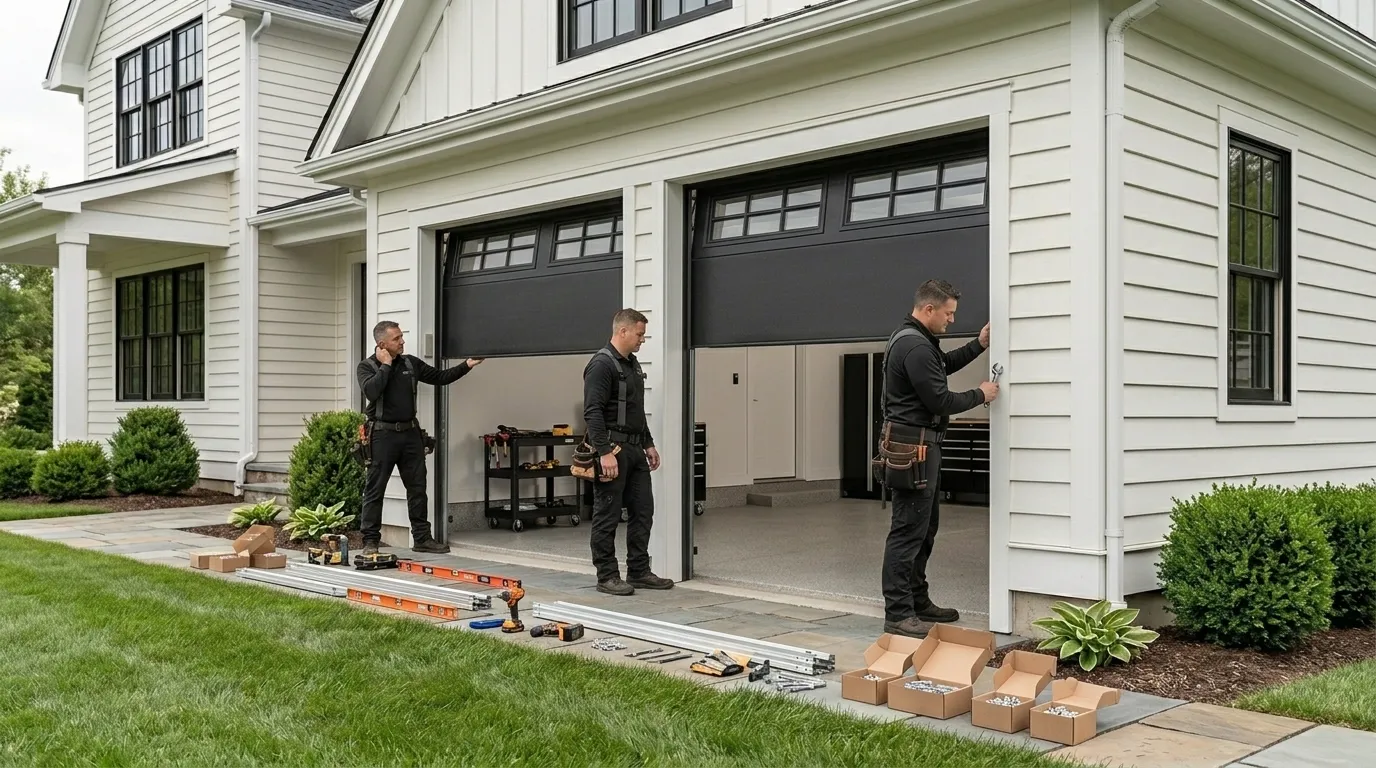
Garage Door Installation
New sectional doors sized and installed for the housing stock actually built in this area.
Learn more →
Garage Door Service
Tune-ups, lubrication, and safety checks that catch a small problem before it becomes a service call.
Learn more →Frequently Asked Questions
How do you know if my garage door needs a new spring or just an adjustment?
We look at the coil for rust or gaps first - on a 1980s or 90s build that's almost always a single torsion spring on a center shaft. If the coil looks sound and the door just closes unevenly, it's usually a track or limit adjustment, not a spring. We won't quote spring work sight unseen, since wear doesn't show up reliably over the phone.
Does the cold weather here really affect my garage door that much?
Yes. Lone Tree sits in a severe cold-climate band, and steel tracks contract while old grease on springs stiffens as temperatures drop. That combination is why off-track doors and stiff openers spike in the deep-cold weeks of winter rather than staying steady all year.
Will you already know what kind of door and hardware my house has before you show up?
We have a good idea. Most homes across this area were built in the 1980s and 90s, with the wider stock running 1938 to 2005, so we usually expect a single torsion spring, steel track, and an older chain-drive opener before we even get out of the truck - though we always confirm on site.
Is it worth repairing an old opener or should I replace it?
That depends on the board and how old the unit is. Once an opener from the 1980s-90s build wave has a failing circuit board, parts get harder to source, and a fair number of owners here choose full replacement instead of patching it. We'll tell you honestly which side of that line your unit sits on.
Have a Door That Needs a Second Opinion?
Call and describe what it is doing - we will tell you what it likely is.