
Lone Tree Garage Door Guide
Why Lone Tree's Older Doors Need Cold-Weather Attention
Lone Tree homes built between 1938 and 2005 often lack modern insulation and hardware rated for severe cold - here's what to check before winter hits.
- Licensed & Insured
- Same-Area Service Calls
- Upfront Pricing
How Local Conditions Play In
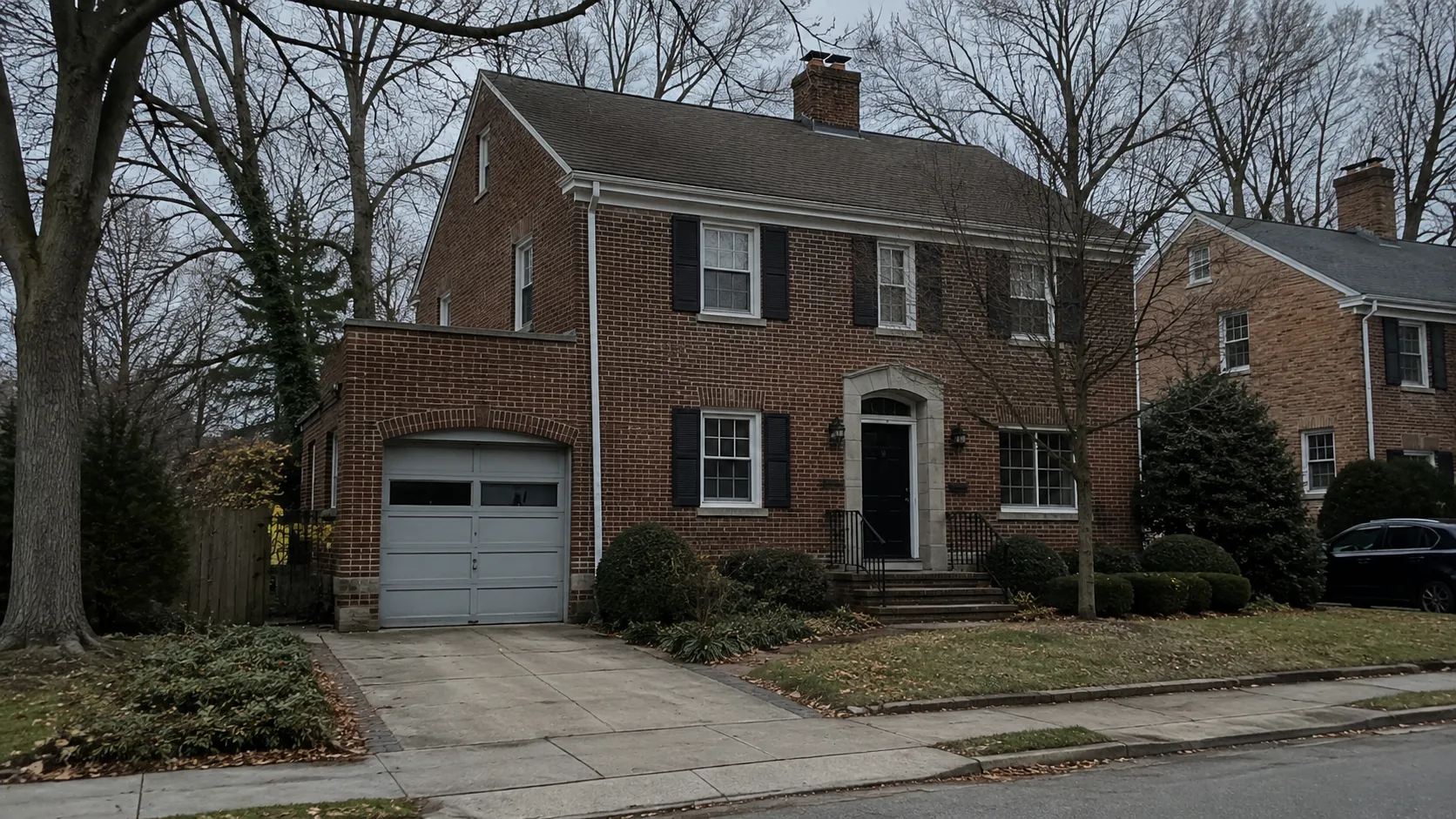
Most houses in this service area went up between 1938 and 2005, with the median build year landing around 1992, right when insulation codes were still catching up to the cold this region sees each winter. That matters more than most homeowners think, because a garage door isn't just a door - it's the biggest moving hole in the thermal envelope of the house. Across the 21 named areas we work in, the bulk of that stock is 1980s and 90s construction, which means steel doors with thin R-value cores and single-layer weatherstripping that wasn't built for severe cold.
Those doors were fine for the winters of thirty years ago, but the hardware ages the same way regardless of how the house around it has been updated. Springs lose tension, tracks pull out of square as the slab settles, and the bottom seal hardens until it stops sealing at all. If your house falls in that median build window, the door is very likely original or a first-generation replacement, sized and sprung for a lighter, less-insulated panel than what's on the market now.
That's the piece that gets missed - people re-insulate the attic and the walls and never look at the one panel that's still rated for a house built decades before anyone worried about R-value.
Checking It Yourself
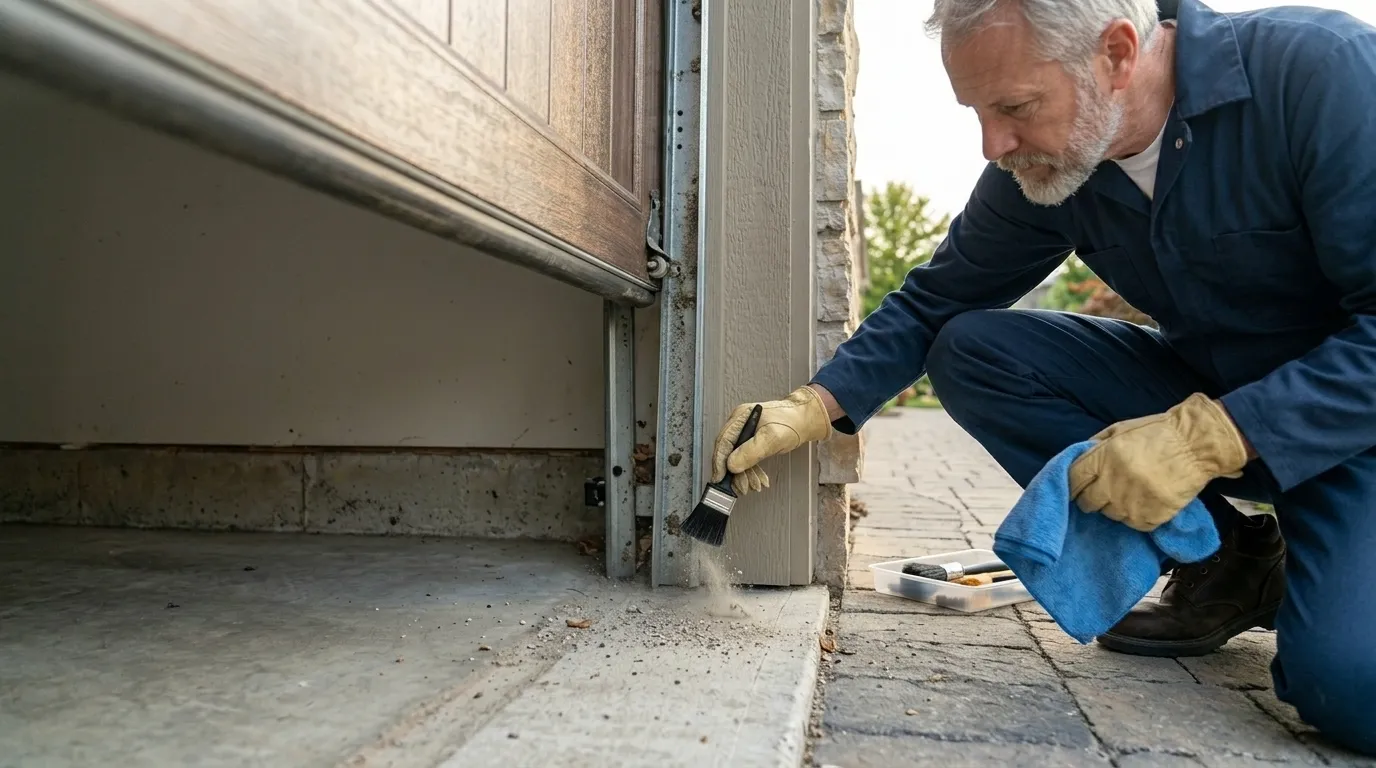
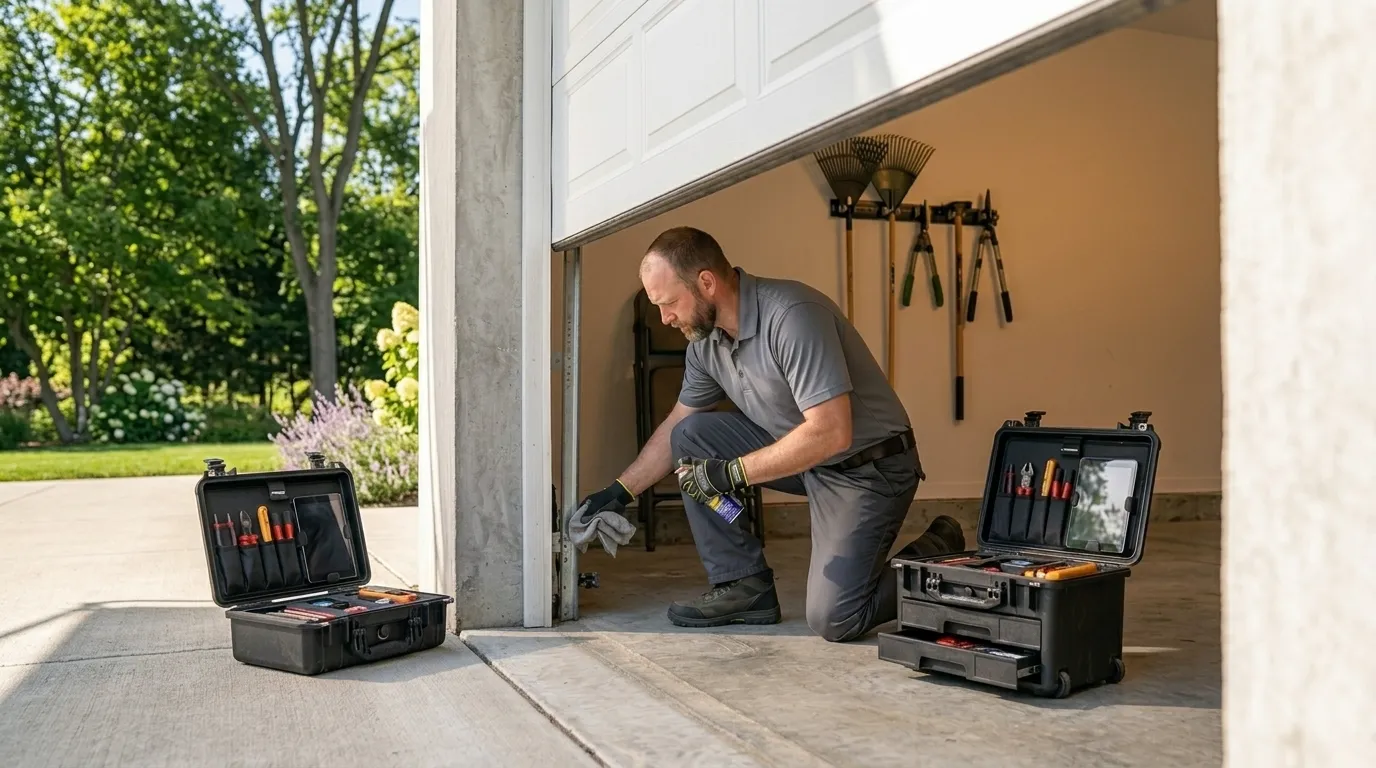
Start with the bottom seal. On a door this age, press a flashlight along the base from inside the garage at night - if light gets through in patches, the astragal has hardened and lets cold air straight in, which is common on doors installed during the 1980s and 90s wave of construction here. Next, check the weatherstripping around the frame the same way; brittle, cracked vinyl won't flex once temperatures drop, and that's a five-minute fix if caught early.
Look at the torsion spring cones - if you see rust streaks or the spring coils look uneven side to side, that's age and cold cycling working on hardware that was likely sized for the original lighter panel. Try lifting the door halfway by hand with the opener disconnected. It should hold roughly level on its own.
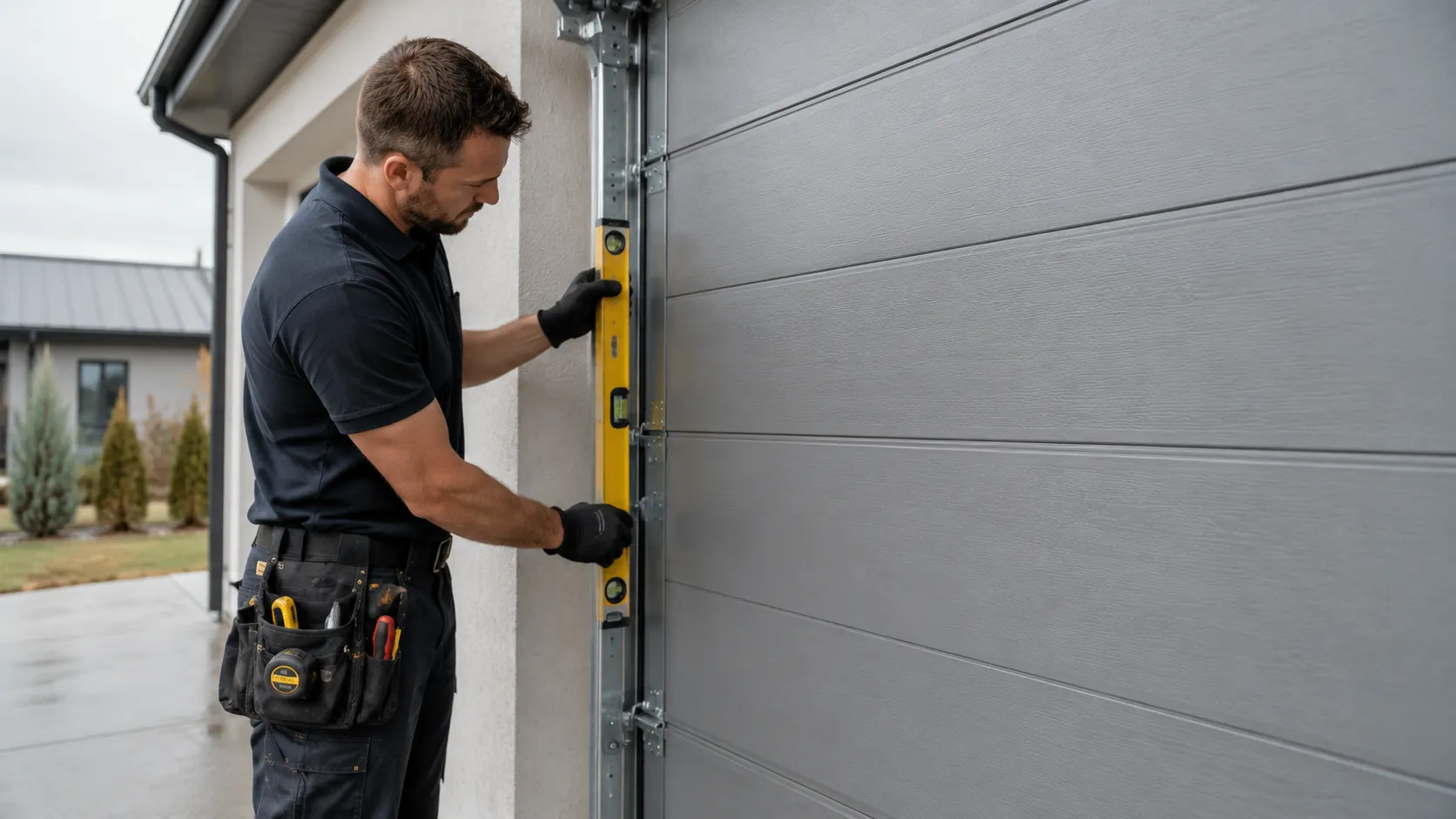
If it drops or shoots up, the spring tension no longer matches the door's weight, which happens gradually as steel fatigues in a cold-severe climate. Last, listen for the track. A door that's out of square from decades of slab movement will bind and groan on the rollers before it ever jumps track.
None of this requires tools beyond a flashlight and a ladder, but a spring that's already showing rust and unevenness is not a DIY adjustment - that's a call before it snaps.
Season by Season
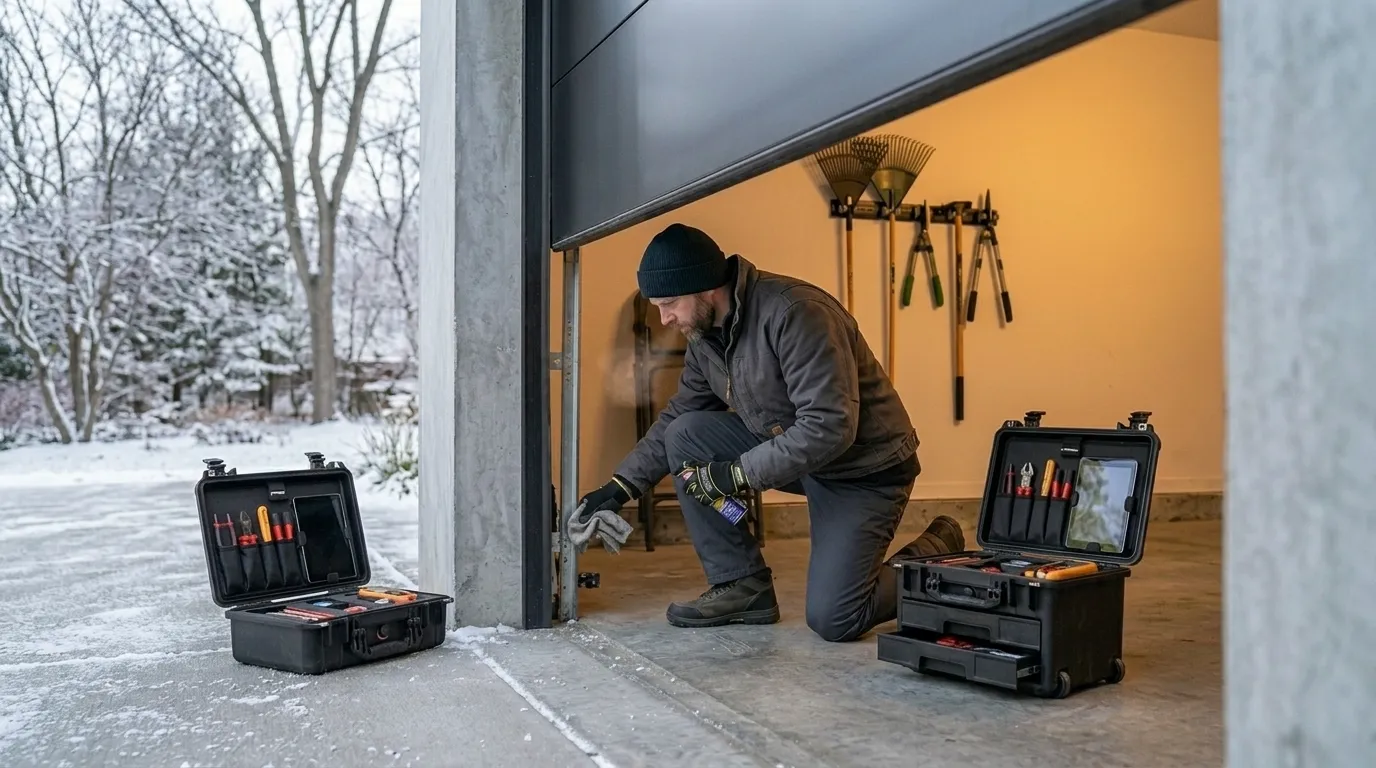
In a cold-severe climate band like this one, the door doesn't fail on a schedule - it fails on temperature swings. Early fall is the window to deal with seals and lubrication before the first hard freeze sets hinges and rollers stiff; grease that's fine at 50 degrees turns to paste at 10. Once winter settles in, steel contracts and any door that was slightly out of alignment in October will bind harder in January, sometimes enough to trip the opener's force setting or strip a gear.
This is also when older torsion springs, already fatigued from decades of cold-to-warm cycling, are most likely to let go, usually on the coldest morning of the stretch. Spring is thaw and refreeze - the worst combination for concrete slabs, which can heave slightly and throw a track out of plumb that was fine all winter. By the time it's warm enough to ignore the garage door, most of the damage from the cold months has already been done quietly.
If your house sits in that 1938-2005 build range, plan the seal and hardware check for September, not January, because parts on backorder in the middle of a cold snap mean a door that stays broken longer than it needs to.
What Is Going On
Put the pieces together and the pattern is straightforward: older housing stock, a climate that punishes rubber and steel, and hardware that was never spec'd for either the age or the cold it's dealing with now. A door installed when the house was built in the 1980s or 90s has had three or four decades of temperature swings to loosen fasteners, harden seals, and fatigue springs - and in a cold-severe band, those cycles are harsher than they'd be somewhere milder. With 23,386 owner-occupied houses among 35,073 households in this service area, a lot of these doors are original or first-replacement units nearing the end of what a 1990s-era torsion spring is rated for.
That's not a defect in any one door - it's just what happens to steel and rubber over that many winters. Where this gets misread is homeowners assuming a slow, sticking door needs a new opener, when the opener is usually just straining against a spring or track that's the actual problem. One limitation worth being upfront about: we don't do full panel insulation retrofits on doors this old - past a certain point, patching an original 1980s door for R-value doesn't make sense next to replacing it outright, and we'll tell you when that line has been crossed instead of billing for a fix that won't hold.
How We Can Help
Garage Door Repair
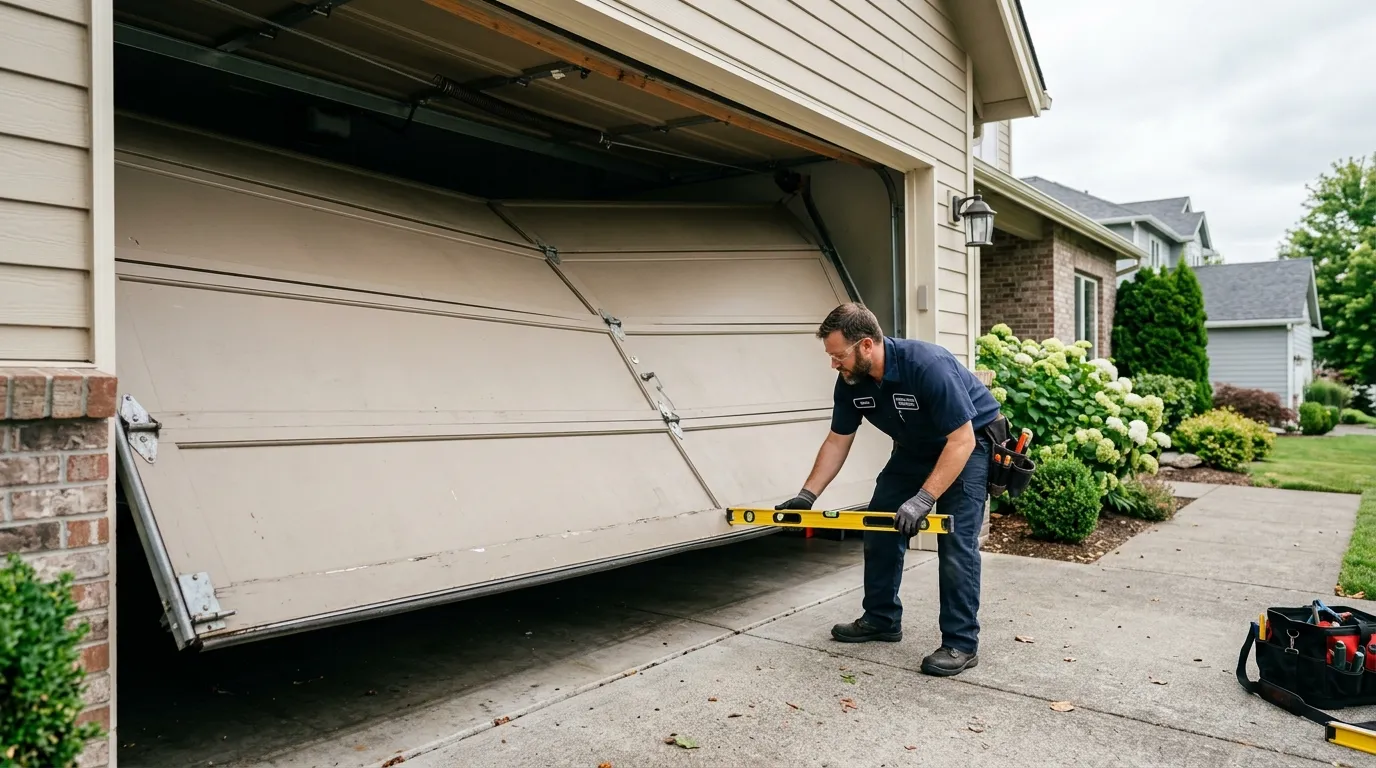
Springs, cables, tracks, rollers, and openers fixed by a tech who explains the problem before touching anything.
Learn more →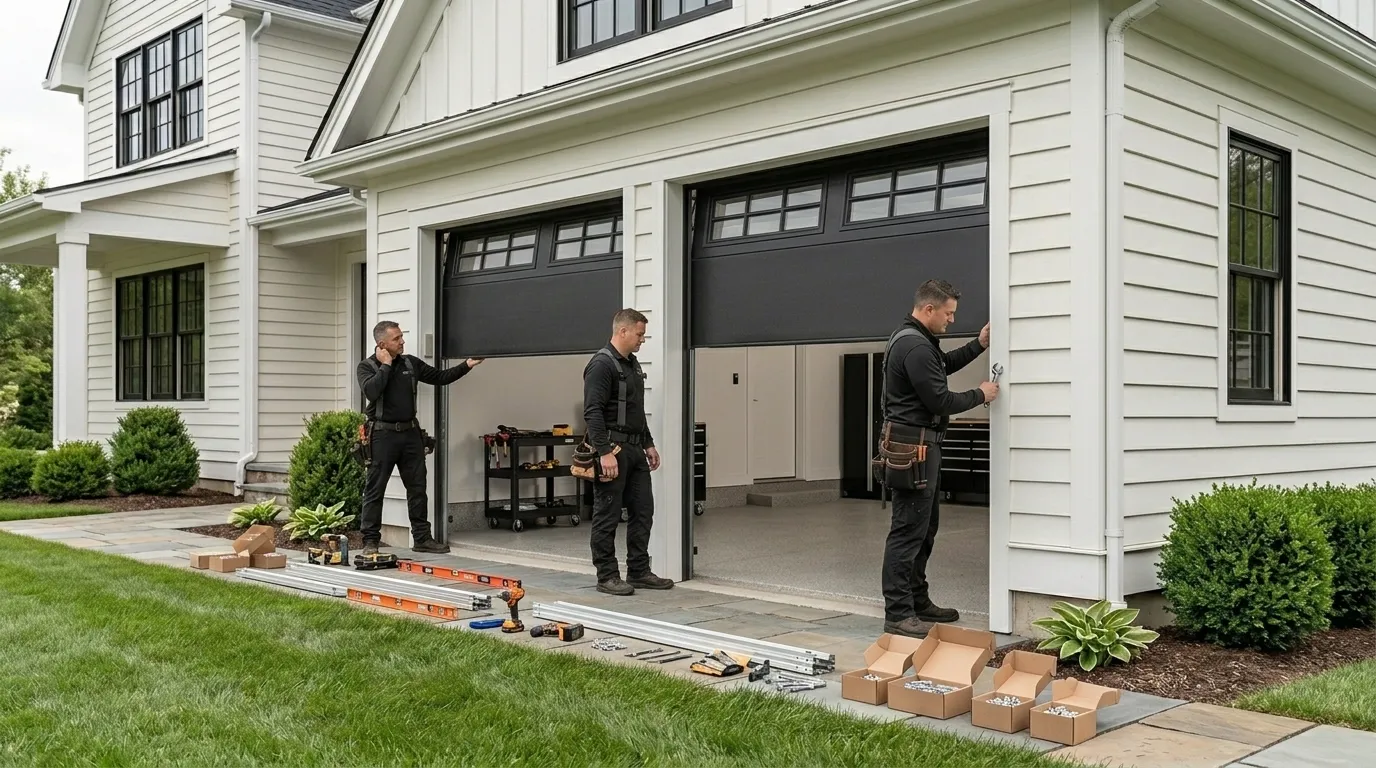
Garage Door Installation
New sectional doors sized and installed for the housing stock actually built in this area.
Learn more →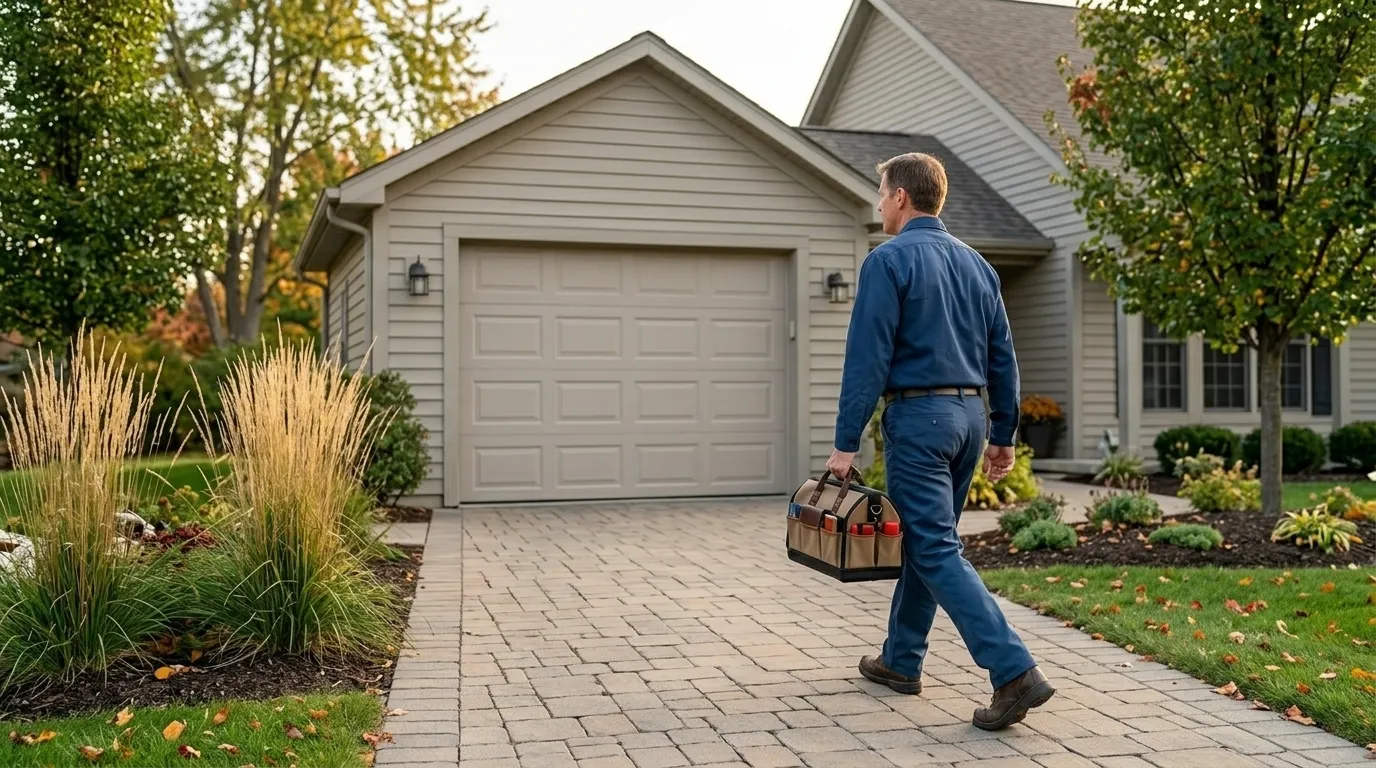
Garage Door Service
Tune-ups, lubrication, and safety checks that catch a small problem before it becomes a service call.
Learn more →Frequently Asked Questions
My garage door is original to a house built in the 1990s - is it worth repairing?
Depends what's wrong. A spring, roller, or seal replacement on a door from that era is usually a straightforward job and worth doing. If the panel itself is warped or the insulation core has failed, patching it rarely holds up through another cold-severe winter, and replacement ends up cheaper over a few years than repeated repair calls.
Why does my door get harder to open only in winter?
Cold thickens grease, shrinks steel slightly, and hardens rubber seals and rollers - all at once. A door that was already slightly out of alignment in warmer months will bind noticeably once temperatures drop in a cold-severe climate like this one, which is why fall is the better time to catch it than January.
How do I know if my torsion spring is original to the house?
If the house falls in the 1938-2005 build range common across this area and the spring shows rust streaks, uneven coil spacing, or you haven't had it replaced yourself, it's likely original or close to it. Decades of cold-cycling fatigue steel gradually, so age alone is reason enough to have it checked before it lets go on its own.
Have a Door That Needs a Second Opinion?
Call and describe what it is doing - we will tell you what it likely is.