
Lone Tree Garage Door Guide
Garage Door Noises in Lone Tree: What's Normal and What's Not
A grinding, squealing, or banging garage door in Lone Tree usually traces back to the house's age or this winter's temperature swing. Here's how to tell which.
- Licensed & Insured
- Same-Area Service Calls
- Upfront Pricing
How Local Conditions Play In
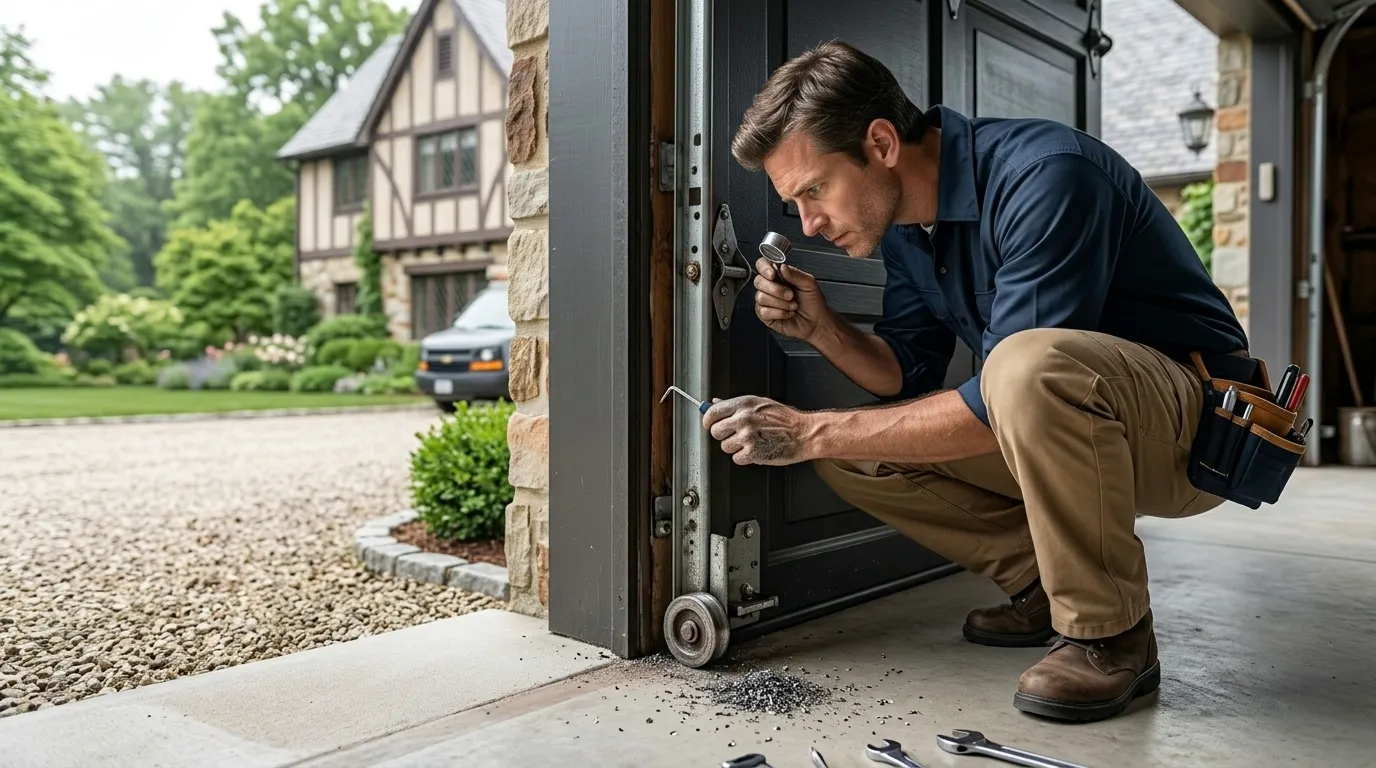
Most of the housing stock around Lone Tree went up between 1938 and 2005, with the median landing in 1992 and the bulk of it concentrated in that 1980s-90s build window. That matters for noise because a door installed in that era is running original hardware more often than not - the same torsion spring, the same steel rollers, sometimes the same opener chain. Thirty-plus years of expansion and contraction on steel parts doesn't happen quietly.
Add in the climate. Lone Tree sits in a cold-severe band, which means the door isn't just aging, it's aging through repeated freeze-thaw cycles every winter.
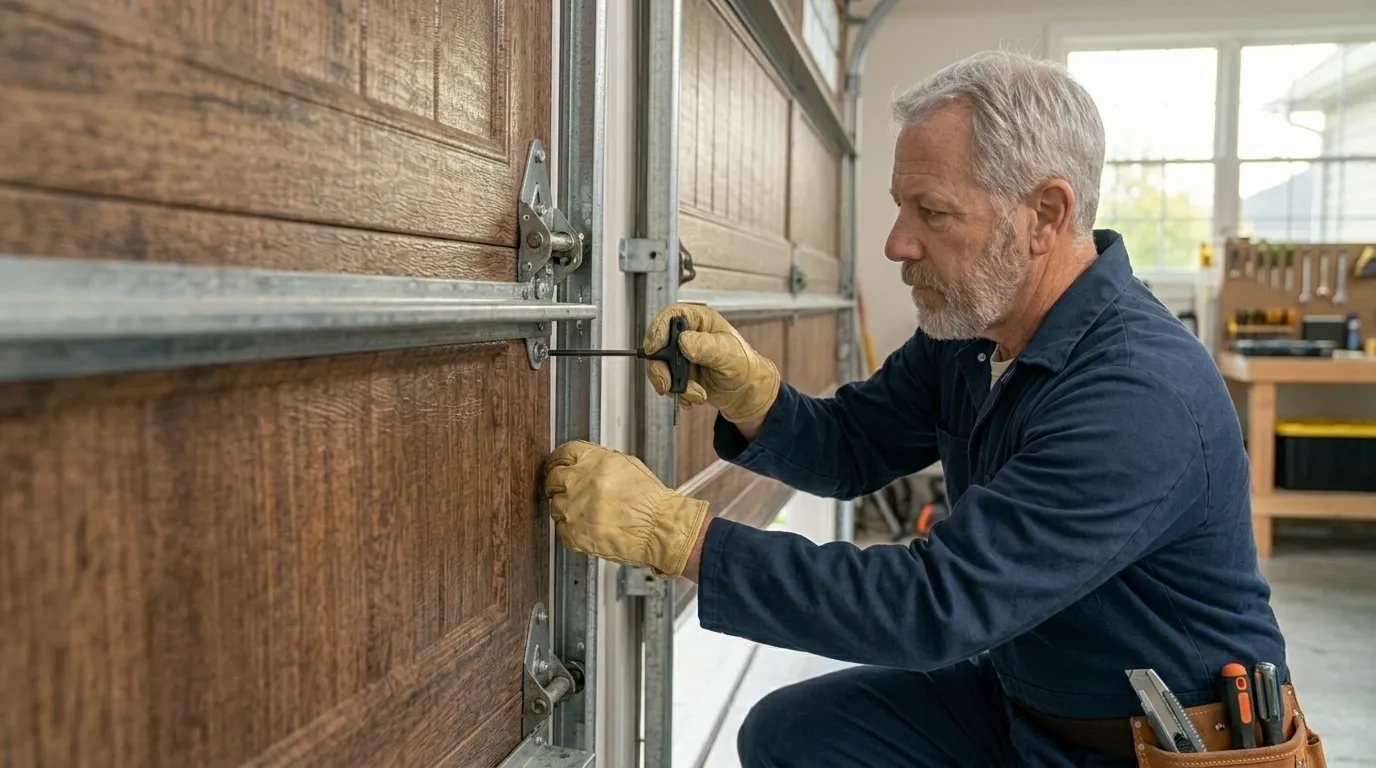
Grease that was fine in September gets stiff by January. Metal that fit snugly in July shrinks slightly in a cold snap, and that's when you hear the difference - a squeal on the way up, a clunk on the way down, a track that used to run silent suddenly rattling.
Houses in nearby areas like Meridian, Grand View Estates, and Stonegate share that same construction window, so if your neighbor's door started making noise this winter too, it's not a coincidence. It's the housing stock and the weather doing what they do to steel hardware that's now old enough to complain.
Checking It Yourself
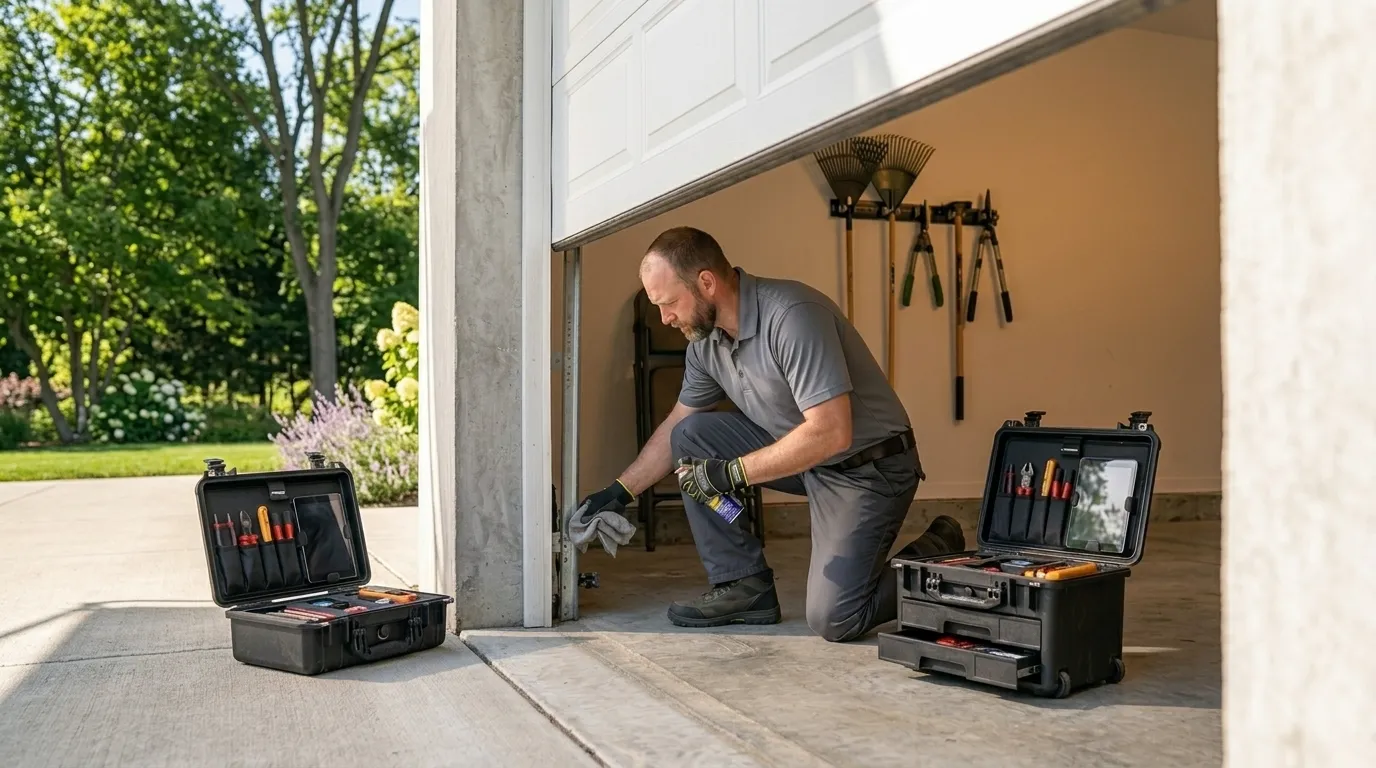
Before you call anyone, open and close the door a few times with the garage light on and just listen. A squeal that happens only near the top of the travel is usually a dry roller or hinge - cheap fix, don't ignore it. A rhythmic thump on every rotation of the drum points to a bent track or a roller that's worn flat on one side, common once a door has logged a few decades in a house from that 1980s-90s stretch of construction.
A loud bang followed by the door refusing to move, or moving unevenly, is different. That's often a spring giving out, and on a house from this build era, it's frequently the original one. Don't try to loosen or remove a torsion spring yourself - it's under enough tension to cause a serious injury, and that's not an exaggeration for effect.
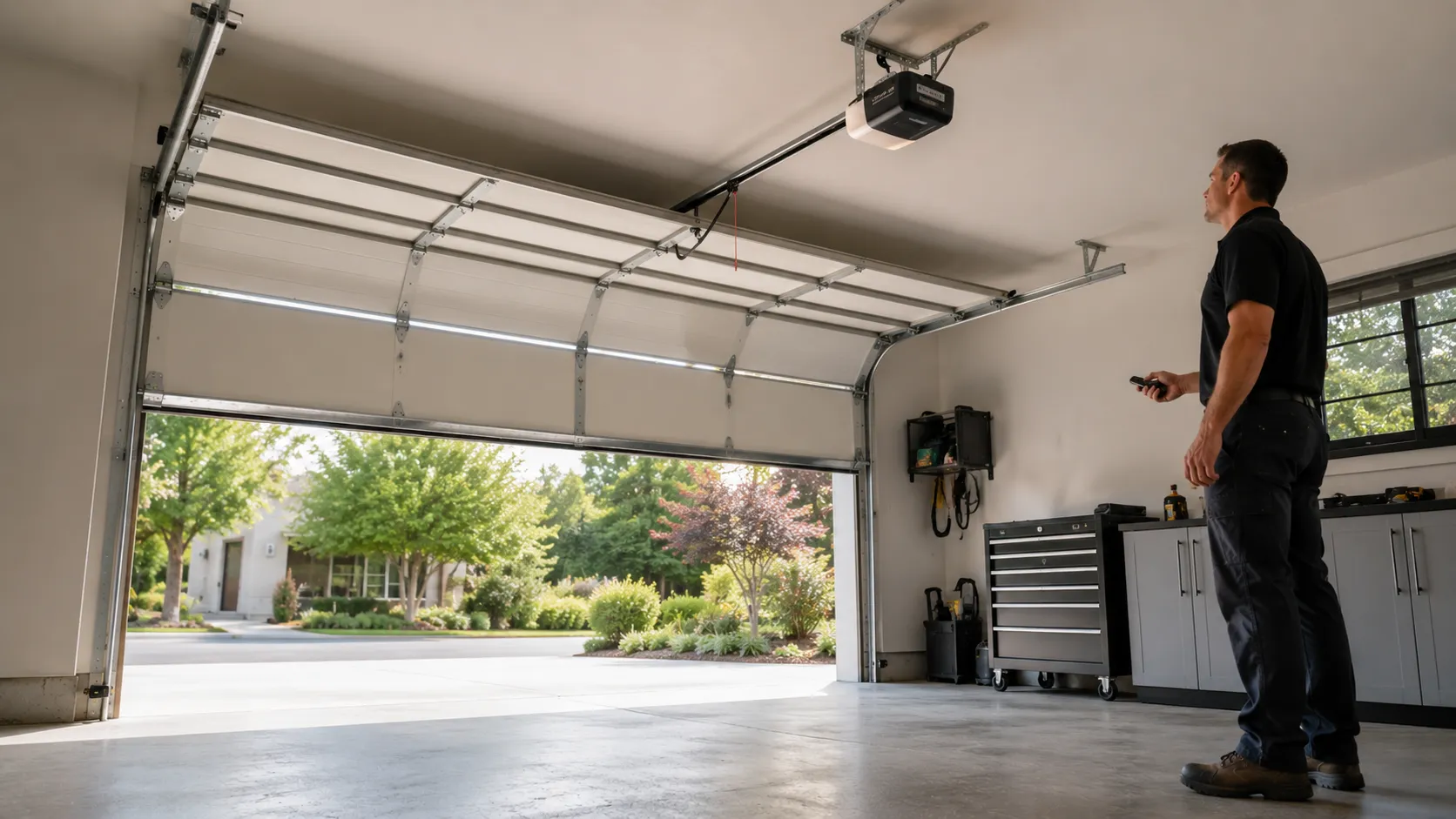
Check the opener too. A grinding sound with no door movement usually means a stripped gear inside the unit, which is a parts issue, not an adjustment. If the noise is coming from the wall-mounted rail system itself flexing, that's a mounting problem, and tightening the bolts is a five-minute job that solves it more often than people expect.
Season by Season
Lone Tree's cold-severe climate band means the noise complaints follow a pattern through the year. Late fall, as temperatures start dropping, is when dried-out lubricant on rollers and hinges first announces itself - a squeal that wasn't there in September. It's the cheapest problem to fix and the easiest to ignore.
Deep winter is when the bigger stuff shows up. A torsion spring that's been fatiguing for years through repeated cold cycles is more likely to fail on a sub-zero morning than a mild one, because cold steel is less forgiving under sudden tension. If your door bangs or drops unevenly in January, that's not bad luck, that's the weather finding the weak point.
Spring brings its own noise: moisture and thaw cycling can swell wood trim around the opening on older doors, which changes how the door seats and can introduce a new scraping sound that wasn't there before. Summer is usually the quiet season - hardware has settled, temperatures are stable, and most of what you hear then is just accumulated wear finally loud enough to notice, not a new problem. If your door has been quiet all summer and suddenly isn't, look at what changed with the weather, not what changed with the door.
What Is Going On
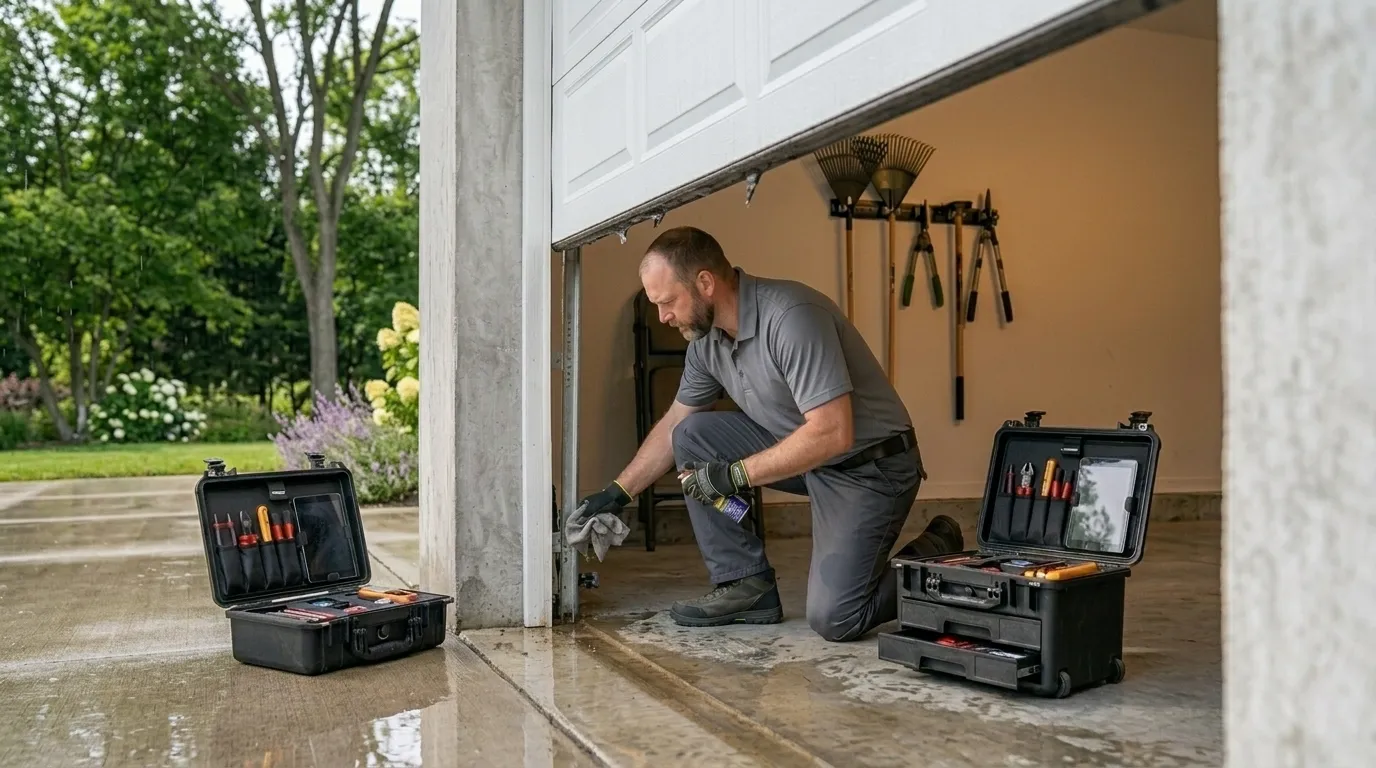
Pin the noise to the part making it, not just the moment it happens. A high-pitched squeal is almost always a roller or hinge that needs grease - on a door from the 1980s-90s stock common here, that's routine maintenance, not a failure. A metallic scraping that follows the door's whole travel usually means a track is out of alignment, which happens gradually on a house old enough to have settled a little on its foundation.
A sharp bang, especially one loud enough to bring you into the garage, is worth taking seriously. On a house from this build era it's frequently the torsion spring finally giving up after decades of temperature cycling through Lone Tree's cold winters. That's not a lubrication problem and it's not something to keep opening and closing hoping it goes away.
One honest limitation: not every noise is worth a service call. If it's a quiet squeak that only shows up once and doesn't repeat, it's often just cold metal settling and it clears up on its own once the door's run a few cycles. We'd rather tell you to wait and see than send a truck for something that fixes itself.
How We Can Help
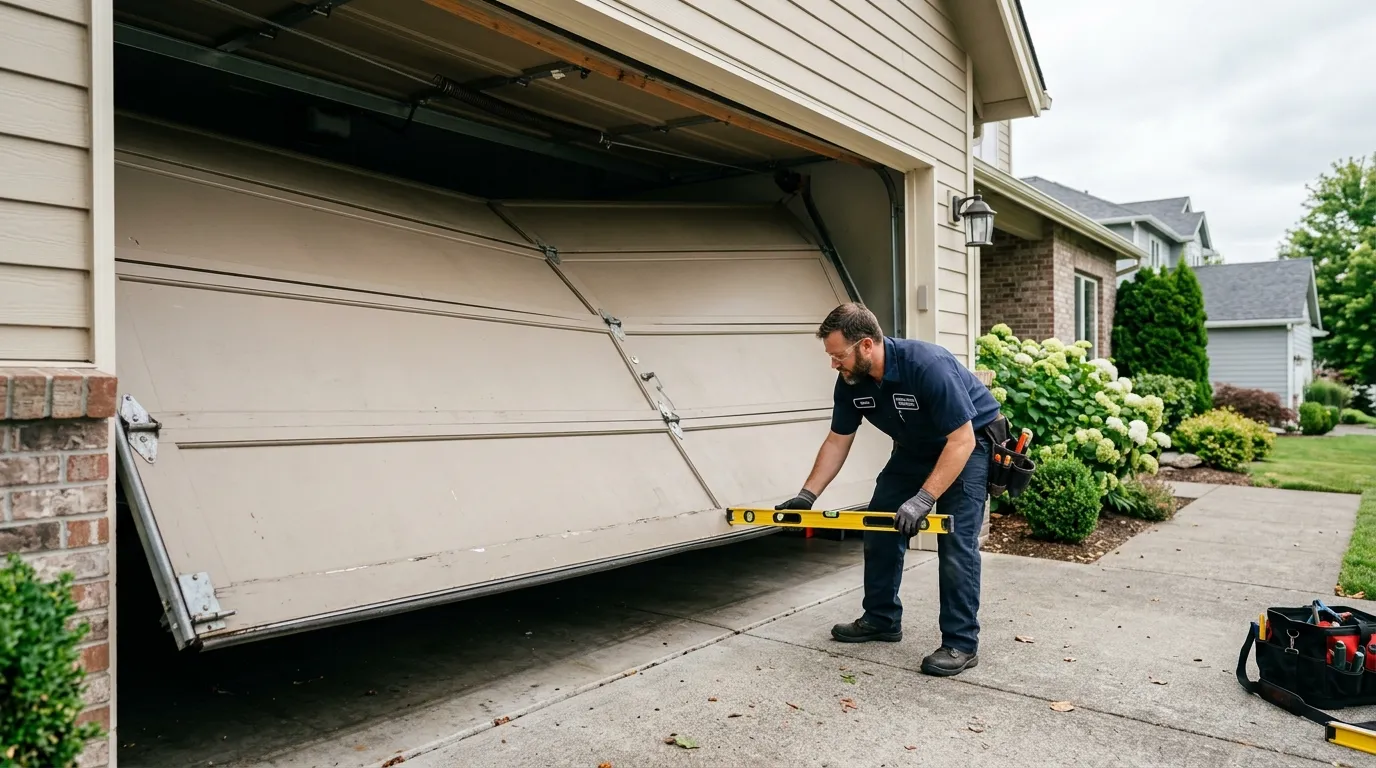
Garage Door Repair
Springs, cables, tracks, rollers, and openers fixed by a tech who explains the problem before touching anything.
Learn more →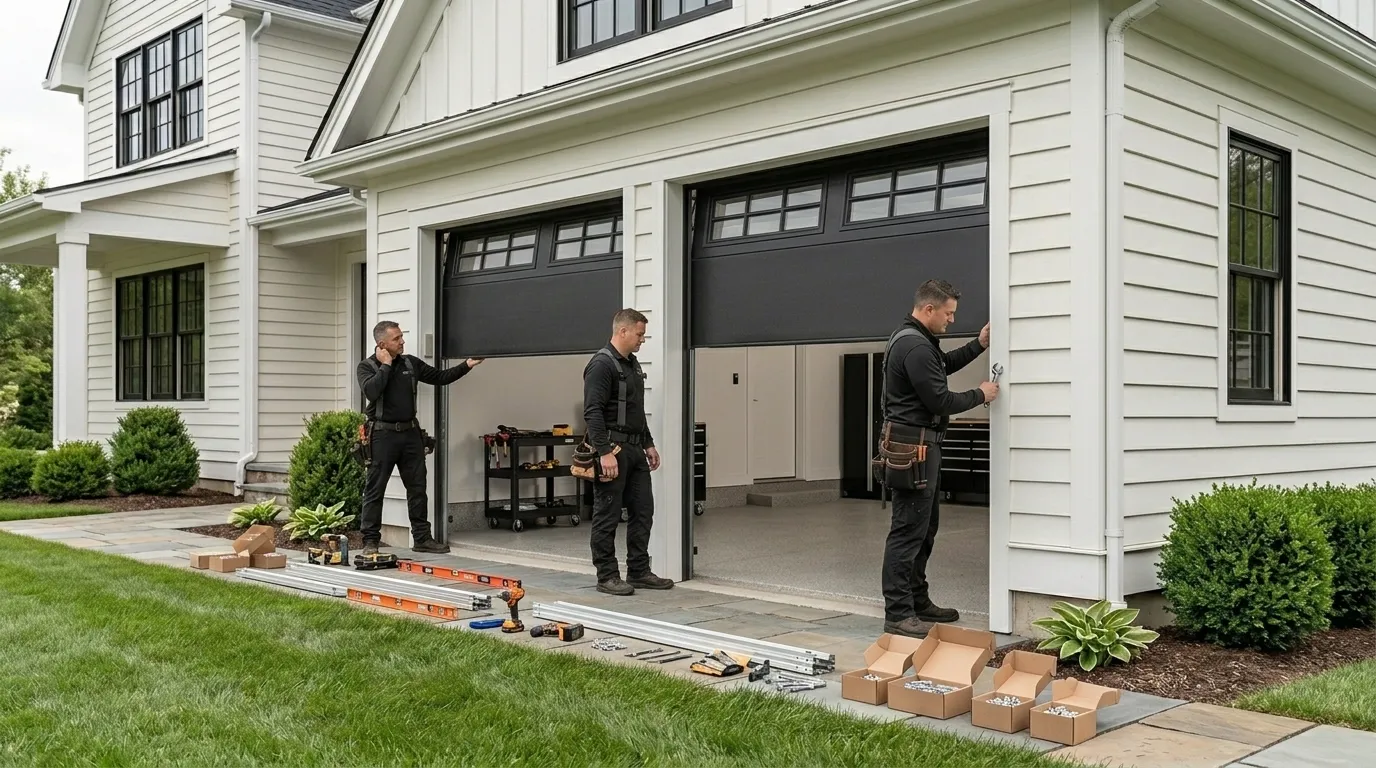
Garage Door Installation
New sectional doors sized and installed for the housing stock actually built in this area.
Learn more →
Garage Door Service
Tune-ups, lubrication, and safety checks that catch a small problem before it becomes a service call.
Learn more →Frequently Asked Questions
My garage door started squealing this week, is that normal for a house our age?
If your house falls in that common 1980s-90s construction window around Lone Tree, yes, a squeal is often just dried lubricant on rollers or hinges catching up with the cold. Grease the rollers and hinges and run the door a few times. If the squeal turns into a grind or the door starts hesitating, that's a different problem and worth a call.
Why does my door only make noise in winter?
Lone Tree's cold-severe climate band means steel hardware contracts and lubricant stiffens in low temperatures, which shows up as noise that wasn't there in summer. It's the same door, just running through a bigger temperature swing than it does the rest of the year.
Is a banging noise always the spring?
Not always, but a sharp bang followed by the door refusing to move evenly is the classic sign of a torsion spring failing, especially on a door old enough to still have its original spring. Don't force the door or try to remove the spring yourself - it's under real tension.
Do older doors in this area need different maintenance than newer ones?
Houses built in the 1980s-90s stretch common around Lone Tree are old enough that original hardware is common, so yes - check rollers, hinges, and spring condition more often than you would on a door installed in the last five years.
Have a Door That Needs a Second Opinion?
Call and describe what it is doing - we will tell you what it likely is.